10 Home Remedies to Remove Skin Tags

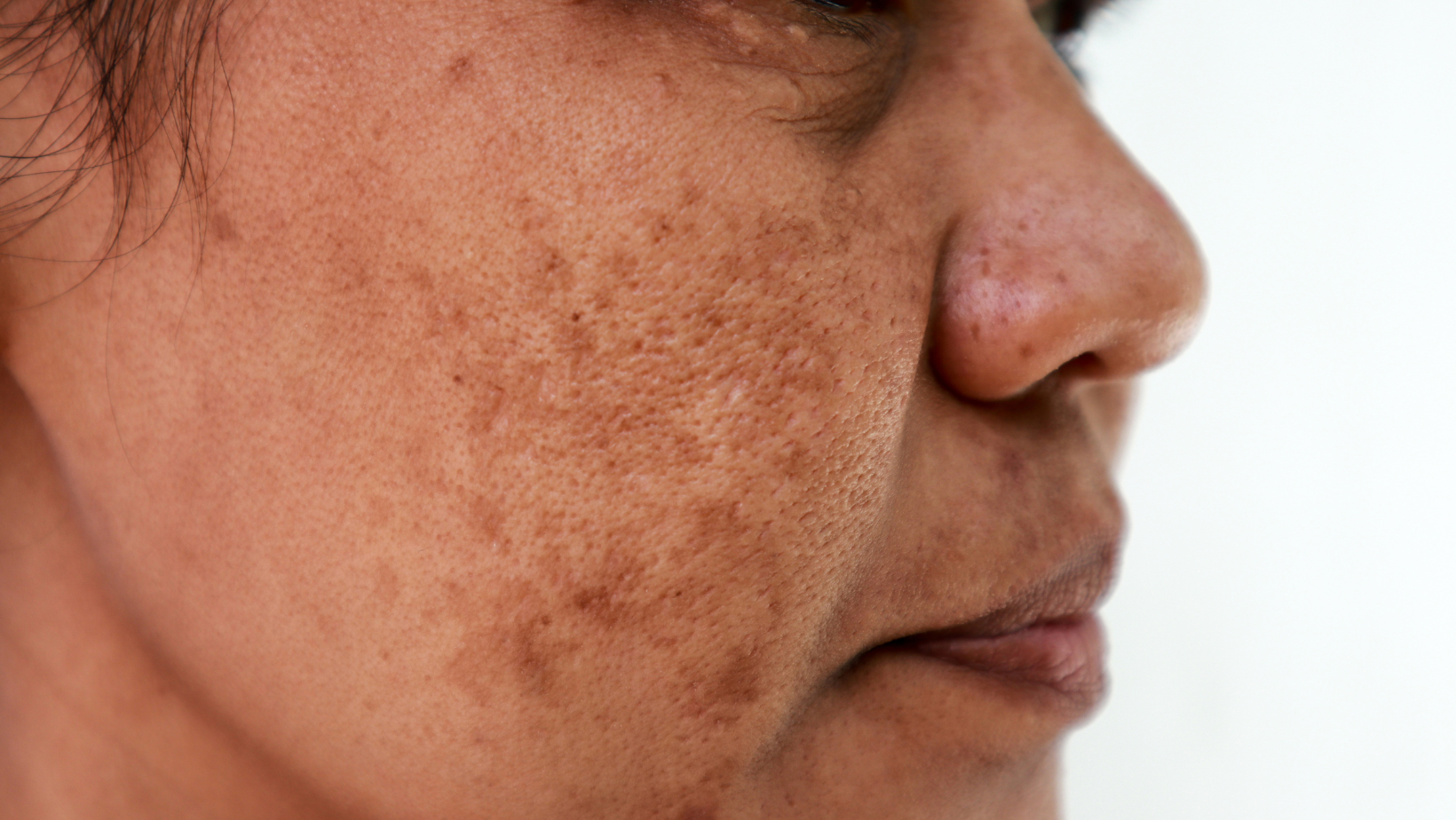
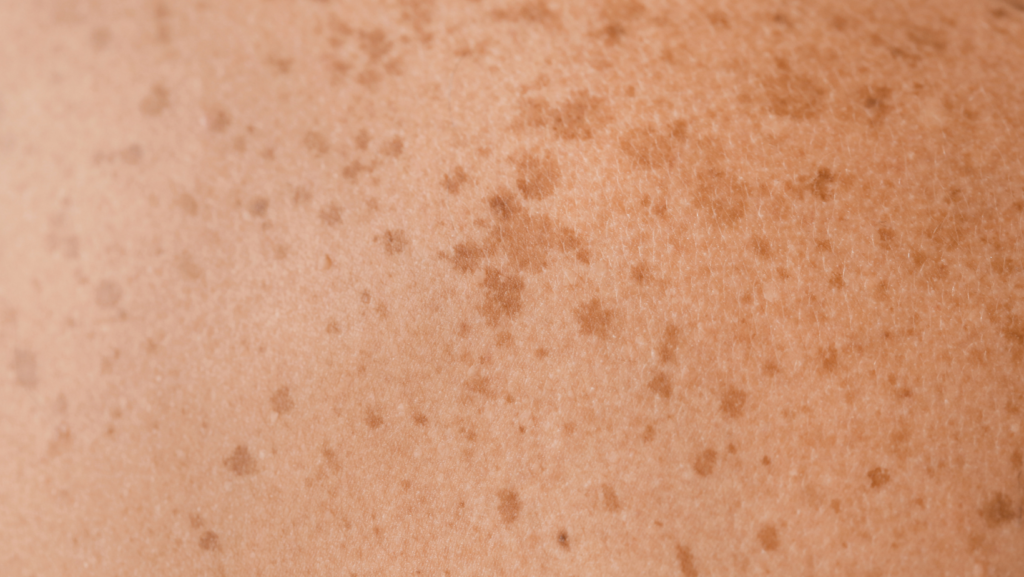
Skin tags are small, benign growths that hang from the skin by a thin stalk. They can be a nuisance because they tend to show up in places where they’re easily visible, like on the neck or under the arms. While they’re not harmful, most people want to remove them because they’re unsightly.

There are a number of ways to remove skin tags at home, and most of them are inexpensive and easy to do. Here are ten of the best methods of how to remove skin tags safely:

1. Place a Cabbage Leaf on It

Cabbage has been used as a remedy for skin conditions for centuries. The reason it works so well for skin tags is that it contains sulfur. Sulfur is a natural compound that’s known for its ability to dry out the skin and remove growths like warts and skin tags.

To use this method, cut a cabbage leaf into a small circle. Place the cabbage over the skin tag and secure it with a bandage or tape. Leave it on overnight then remove it in the morning. Repeat this process until the skin tag falls off.

2. Use Tea Tree Oil

Tea tree oil is an essential oil that has a wide range of uses, including treating skin conditions like acne and psoriasis. It’s also thought to be effective at removing skin tags. The antimicrobial and anti-inflammatory properties of tea tree oil are thought to help shrink the skin tag and promote healing. To use tea tree oil to remove a skin tag, mix a few drops of the oil with a carrier oil like coconut oil or jojoba oil. Apply the mixture to the skin tag and cover it with a bandage. Leave it in place for several hours or overnight, then remove it and wash the area.

3. Use a Banana Peel

Banana peels are often used as a home remedy for warts, but they can also be used to remove skin tags. The enzymes in the banana peel are thought to help dissolve the tissue that makes up the skin tag. To use a banana peel for skin tag removal, place the innermost part of the peel against the skin tag. Secure it in place with a bandage or tape and leave it overnight. In the morning, remove the bandage and wash the area. Repeat this process until the skin tag falls off.

4. Use Garlic

Garlic is a popular home remedy for a variety of ailments, including skin conditions like acne and fungal infections. It’s also thought to be effective at removing skin tags. The antibacterial and anti-inflammatory properties of garlic are thought to help shrink the skin tag and promote healing. To use garlic to remove a skin tag, cut a fresh clove of garlic in half and apply it to the skin tag.

Secure it in place with a bandage or tape and leave it overnight. In the morning, remove the bandage and wash the area. Repeat this process until you see the skin tags removed.

5. Use Duct Tape

Duct tape is often used as a home remedy for warts, but it can also be used to remove unwanted skin tissue. The adhesive properties of duct tape are thought to help dissolve the tissue that makes up the skin tag. To use duct tape to remove a skin tag, apply a piece of duct tape to the skin tag. Make sure the tape is secure and leave it in place for several days. After a few days, the skin tag should fall off. If it doesn’t, you can repeat the process.

6. Use Iodine

Iodine is a popular home remedy for a variety of ailments, including skin folds conditions like acne and warts. It’s also thought to destroy unwanted skin tissue. The antiseptic and anti-inflammatory properties of iodine are thought to help shrink the skin tag and promote healing. To use iodine to remove a skin tag, apply a small amount of iodine to the skin tag.

Make sure the area is clean and dry before applying iodine. Leave the iodine on for several hours or overnight, then wash it off.

7. Use Lemon Juice

Lemon juice is often used as a natural bleaching agent, but it can also be used to remove skin tags. The acidic nature of lemon juice is thought to help dissolve the tissue that makes up the skin tag. To use lemon juice to remove a skin tag, apply fresh lemon juice to the skin tag.

Leave it on for several hours or overnight, then wash it off. If you experience any allergic skin reactions when using lemon juice to remove a skin tag, make sure to discontinue and seek medical advice.

8. Use ACV

ACV is a popular home remedy for a variety of ailments, including skin growth conditions like acne and warts. It’s also thought to be effective at removing larger skin tags. The acidic nature of ACV is thought to help dissolve the tissue that makes up the skin tag. Apply a small amount of ACV to the skin tag growth and the surrounding skin.

Make sure the area is clean and dry before applying ACV. Leave it on for several hours or overnight, then wash it off. Repeat this process until the skin tag falls off. Some people may experience skin irritation when using ACV to remove a skin tag. If this occurs, discontinue or seek medical advice.

9. Use Baking Soda

Baking soda is often used as a natural cleaning agent, but it can also be used to remove most skin tags. The abrasive nature of baking soda is thought to help dissolve the tissue that makes up multiple skin tags. To use baking soda to remove a skin tag, mix equal parts of baking soda and water to form a paste.

Apply the paste to the skin tag and leave it on for several hours or overnight. In the morning, wash the area with soap and water. Some people may experience skin irritation when using baking soda to remove a skin tag. If this occurs, discontinue or seek medical advice.

10. Use Aloe Vera

Aloe vera is often used to treat sunburns, but it can also be used to remove skin tags. The anti-inflammatory and healing properties of aloe vera are thought to help shrink the skin tag and promote healing. To use aloe vera to remove a skin tag, apply a small amount of aloe vera gel to the skin tag.

Leave it on for several hours or overnight, then wash it off. Some people may experience skin irritation when using aloe vera to remove a skin tag. If this occurs, discontinue or seek help from a skin expert.

Conclusion

These are just a few of the many home remedies that are thought to be effective at removing skin tags. If you’re considering using a home remedy to remove a skin tag, it’s important to speak with your doctor first. Some home remedies may not be suitable for everyone, and some may cause skin irritation or other side effects. Once you’ve got the green light from your doctor, give one of these home remedies a try and see if it works for you.


Related Articles

Healthy ChlorophyII, Not Just Good for Plants

Did you know that chlorophyll isn’t just good for green plants? It turns out, that chlorophyll has a lot of health benefits for humans too. In this post, we will discuss the many benefits of chlorophyll and how you can get more of it into your diet. Chlorophyll is great for detoxifying the body, fighting cancer, and improving overall health. So if you’re looking for a way to improve your health, adding chlorophyll to your diet is a great place to start.

chlorophyll benefits
Healthy Chlorophyll, Not Just Good for Plants

What Is ChlorophyII

Chlorophyll is a natural pigment that gives plants their green color. It is found in the chloroplasts of plant cells, and its main function is to absorb light energy from the sun and convert it into chemical energy that can be used by plants to produce food. Chlorophyll is essential for photosynthesis, the process that allows plants to create their own food. In addition to plants, chlorophyll is also found in some algae and bacteria. 

Liquid chlorophyll is a solution made from water and natural chlorophyll extract. It is often taken as a dietary supplement, and preliminary research suggests that it may offer a range of health benefits. For example, liquid chlorophyll has been shown to boost wound healing, reduce inflammation, and promote detoxification. Additionally, chlorophyll supplements are sometimes used as natural treatments for bad breath and body odor. More research is needed to confirm the potential health benefits of liquid chlorophyll, but it appears to be a safe and natural way to improve overall health.

Health Benefits Of ChlorophyII

Many people are unaware of the health benefits that taking liquid chlorophyll can have on their bodies. Chlorophyll is a type of pigment found in plants that helps them to convert sunlight into energy. It is also responsible for giving plants their green color. Chlorophyll has been shown to have a number of health benefits when taken as a supplement.

Below are some of the benefits of Chlorophyll to humans:

Weight Loss

When chlorophyll is consumed, it helps to break down fat cells and remove them from the body. In addition, chlorophyll increases the production of bile in the liver, which helps to further break down and digest fats. Chlorophyll also helps to boost metabolism and promote a healthy appetite. As a result, chlorophyll can be an effective tool for anyone looking to lose weight. While more research is needed to confirm these claims, there is no doubt that chlorophyll can have a positive impact on weight loss.

Wound Healing

Chlorophyll has been shown to speed up the healing process of wounds and burns by helping to regenerate new tissue. In a study on animals, chlorophyll-treated wounds healed in half the time as compared to untreated wounds. Researchers believe that chlorophyll accelerates wound healing by stimulating the growth of new blood vessels and collagen, two key components in the healing process. In addition, chlorophyll has powerful antibacterial and anti-inflammatory properties that can help to prevent infection and reduce swelling. When applied topically, chlorophyll can speed up the healing of cuts, scrapes, burns, and other minor wounds. For best results, apply a small amount of chlorophyll-containing ointment or gel to the affected area up to three times per day.

Reduces Cancer Cells

Chlorophyll has been shown to have a number of health benefits, including the ability to reduce cancer cells. One study found that chlorophyll was able to reduce colon cancer cells. Another study found that chlorophyll was able to kill human pancreatic cancer cells. While more research is needed in this area, these studies suggest that chlorophyll may be a valuable tool in the fight against cancer. In addition to its potential anticancer effects, chlorophyll has also been shown to boost the immune system, improve vision, and promote wound healing.

Blood Building

According to recent studies, chlorophyll may help to increase the production of red blood cells. Red blood cells are responsible for carrying oxygen throughout the body, and a lack of red blood cells can lead to fatigue and other health problems. Chlorophyll is rich in iron, which is essential for the production of red blood cells.

Detoxification

Chlorophyll is often touted as a detoxifier, and there is some evidence to support this claim. Chlorophyll bind to heavy metals and other toxins in the body, allowing them to be excreted through the urine. Chlorophyll may also help to protect the liver from damage caused by toxins. Various studies suggest that chlorophyll may help to remove toxins from the body and protect organs from damage, though more research is needed to confirm these effects in humans.

chlorophyll benefits
Detoxification

How To Take Chlorophyll Supplements?

While chlorophyll is most commonly associated with plants, this green pigment also offers a number of health benefits for humans. Chlorophyll is rich in antioxidants and has anti-inflammatory properties, making it an effective way to boost your health. One of the best ways to get chlorophyll is by taking chlorophyll supplements. You can get this from health food stores.

These supplements are available in both capsules and liquid form and can be found at most health food stores. When taking a capsule or liquid chlorophyll supplements, it is important to start with a small dose and gradually increase the amount you take as your body adjusts to the supplement. Most people can take up to 500 milligrams of chlorophyll per day without experiencing any side effects. If you are interested in trying chlorophyll supplements, be sure to talk with your doctor first to see if they are right for you.

Foods That Are Rich In Chlorophyll

Chlorophyll-rich foods include dark, leafy green vegetables such as spinach, kale, and Swiss chard. Other good sources of chlorophyll include parsley, spirulina, wheatgrass, and green algae. chlorophyll can also be found in certain fruits and vegetables, such as broccoli and green beans.

Side Effects Of Chlorophyll

People take chlorophyll supplements for a variety of reasons, including to improve athletic performance, treat skin conditions, reduce body odor, and build blood. Though chlorophyll is generally considered safe, it can cause some side effects. Some side effects of chlorophyll have been reported, including nausea, diarrhea, and stomach cramps. In rare cases, chlorophyll supplements have also been linked to liver damage. If you are considering taking a chlorophyll supplement, it is important to speak with your doctor first to weigh the risks and benefits.

Final Thoughts

Chlorophyll is a pigment that has many benefits, including the ability to improve cardiovascular health, detoxify the body, and boost energy levels. While more research is needed to confirm these claims, there is evidence that chlorophyll can have a positive impact on overall health. As a result, it may be worth incorporating foods rich in chlorophyll into your diet. Not only are they good for you, but they also often taste great. So eat up and enjoy the many benefits of chlorophyll.

Read More:

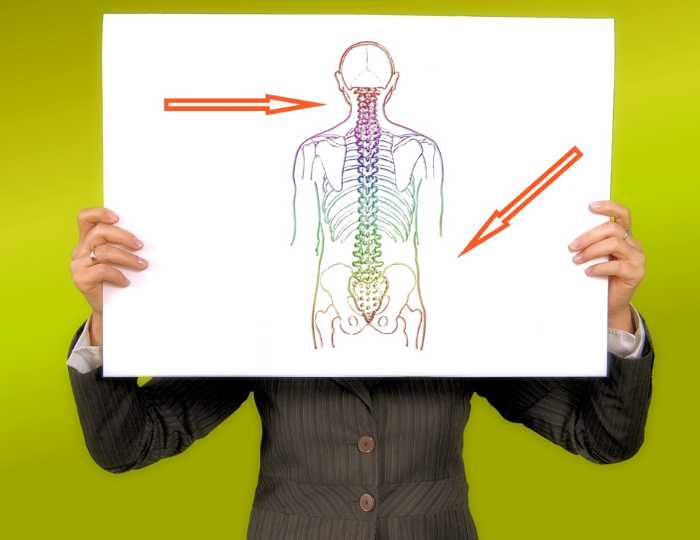
10 Symptoms Of Degenerative Disc Disease

Degenerative disc disease refers to a condition that affects the spinal discs. These discs are located between the vertebrae in your spine and act as shock absorbers. They help keep your spine flexible and allow you to move around without pain. When DDD occurs, the discs degenerate over time and can cause various symptoms. In this article, we will discuss ten common symptoms of degenerative disc disease. If you are experiencing any of these degenerative disc disease symptoms, you must see a doctor immediately!

Sudden Onset Of Pain After An Injury Or Accident

Sudden onset of pain after an injury or accident can be a symptom of degenerative disc disease. The discs in your spine slowly break down over time, and an injury can cause them to break down even faster. The discs act as cushions between the vertebrae in your cervical spine and help absorb shock. When they break down, they lose some ability to cushion the vertebrae, leading to pain.

Loss Of Flexibility In The Back

Loss of flexibility in the back is a common symptom of disc degeneration disease. The discs in your spine act as cushions between the vertebrae, and over time, they can begin to deteriorate. As the discs become less able to absorb shocks, the bones in your spine can begin to rub against each other, causing pain and inflammation. It can develop small cracks or tears in the disc’s outer layer, which can cause the inner jelly-like material to leak out.

Loss of flexibility can occur as the discs lose their ability to support the spine and allow it to move freely. In some cases, loss of flexibility may also be due to bone spurs, which can narrow the spaces between the vertebrae and compress nerve tissue. If you are experiencing a loss of flexibility in your back, it is important to consult a doctor to discuss treatment options.

Neck Pain That Radiates To The Shoulders Or Arms

Neck pain that radiates to the shoulders or arms is a common symptom of degenerative disk disease. The discs in your spine are made up of a tough outer layer of cartilage and a softer inner layer of gel. The discs can begin to break down as you age, leading to pain and stiffness. In some cases, the discs can herniate or bulge outward. It can cause the nerves in your spine to become compressed, leading to pain that radiates down your arms or legs.

Also, the discs degenerate as you age, which can lead to bone spurs forming. These bone spurs can compress the nerves in your spine, and this can cause neck pain that radiates to the shoulders or arms. If you experience neck pain that radiates to your shoulders or arms, it’s important to see a doctor for an evaluation.

Pain That Gets Worse When You Lie Down

When you have degenerative disc disease, the discs in your spine start to wear out. It can cause the discs to lose their height and become thinner. Pain that gets worse when you lie down is caused by the thinning of the discs. The discs in your spine act as cushions between the bones. They help to keep the bones in place and absorb shock. When the discs start to thin, they can no longer do their job properly. It can lead to pain, numbness, and weakness in the affected area.

Pain that gets worse when you lie down is also caused by the additional pressure placed on the discs when you are lying down. The pain may be sharp or dull and radiate into your legs or arms. The pain is often accompanied by other symptoms, such as stiffness, soreness, and difficulty moving. If you are experiencing any of these symptoms, you must see a doctor for a proper diagnosis.

Stiffness In The Back Or Neck

Degenerative disease is a broad term that covers several conditions, including osteoarthritis, rheumatoid arthritis, and spondylosis. In most cases, stiffness is caused by the breakdown of cartilage in the joints, which leads to pain and inflammation. In some cases, stiffness may also be caused by the formation of bone spurs (osteophytes).

As the degenerative disease progresses, symptoms may become more severe and debilitating. Stiffness may make it difficult to move or turn the head, and pain may become constant. If you experience stiffness in the back or neck, it is important to consult a doctor so that the cause can be accurately diagnosed and treatment can be started if necessary.

Muscle Spasms

Muscle spasms are a common symptom of degenerative diseases. When the muscles in the body begin to break down, they can contract and twitch uncontrollably. It can cause pain and difficulty moving the affected limbs. Muscle spasms may also accompany muscle weakness, cramping, and joint stiffness. In some cases, the spasms may be so severe that they cause paralysis.

While there is no cure for degenerative diseases, treatments are available to help relieve the symptoms. Muscle relaxants, pain medications, and physical therapy can all help to reduce the frequency and intensity of muscle spasms. In severe cases, surgery may be necessary to remove the damaged muscles or joints. With proper treatment, most people with degenerative diseases can manage their symptoms and live relatively normal lives.

Limited Range Of Motion In The Back Or Neck

Limited range of motion in the back or neck is a symptom of degenerative disease that refers to the gradual deterioration of the spine. This process is usually caused by age-related wear and tear, but injuries or other health conditions can also accelerate it. Limited range of motion in the back or neck often leads to stiffness, pain, and decreased mobility.

Limited range of motion in the back or neck is a serious symptom that can profoundly impact a person’s quality of life. In severe cases, it can cause deformities in the spine and limit a person’s ability to perform even basic tasks. If you are experiencing a limited range of motion in the back Or Neck, it is important to seek medical attention to receive treatment and manage your condition.

Numbness Or Tingling In The Arms, Legs, Or Torso

Numbness or tingling in the arms, legs, or torso can be a symptom of degenerative disease. This symptom is often caused by the compression of nerves or blood vessels. The compression can cause the nerves to misfire, which results in numbness or tingling sensation. In some cases, the compression may also cause the nerves to become irritated, resulting in pain.

Numbness or tingling may also be caused by inflammation of the nerves. Inflammation can occur due to injury, infection, or autoimmune disease. Numbness or tingling may also be a side effect of certain medications. If you experience this symptom, it is important to see your doctor to rule out any serious underlying conditions.

Weakness In The Limbs

The primary cause of this symptom is the loss of muscle tissue. Muscle tissue can be lost for various reasons, including nerve damage, inflammation, and the destruction of muscle cells. The loss of muscle tissue can lead to weakness, muscle cramps, difficulty moving the affected limb, and eventually paralysis.

Limb weakness resulting from disc problems is often accompanied by other symptoms, such as pain, fatigue, and weight loss. Treatment for this symptom typically focuses on managing the underlying condition and alleviating pain. In severe cases, surgery may be necessary to prevent further muscle loss.

Difficulty Standing Up Straight Or Walking For Long Periods

Difficulty standing up straight or walking for long periods is a common symptom of degenerative diseases because the spine is affected. The spine is responsible for supporting the body and allowing us to stand upright and walk. When the tissues in the spine break down, it can lead to severe pain, weakness, and difficulty standing or walking. Difficulty standing up straight or walking for long periods is a serious symptom and should be evaluated by a doctor as soon as possible. Early diagnosis and treatment are important for managing degenerative diseases.

Conclusion

Degenerative diseases are a common cause of pain and disability. The symptoms can range from mild to severe and often worsen over time. If you are experiencing any of the symptoms listed above, you must see your doctor to diagnose degenerative disc disease. With proper medical care, most people with degenerative diseases can manage their symptoms and enjoy a good quality of life.

Should You Be Concerned About Finger Numbness?

Finger numbness is a common problem that can be caused by many things, from poor circulation to nerve damage. If you are experiencing finger numbness, it is important to find out what is causing it and address the issue. In this blog post, we will discuss the causes of finger numbness and what you can do to alleviate the symptoms.

what causes fingers to go numb
Should You Be Concerned About Finger Numbness?

Finger Numbness

It’s not unusual to feel some numbness in your fingers after sitting in one position for too long or sleeping on your arm. This is usually temporary and disappears once you move your fingers or arm. However, there are some conditions that can cause persistent or permanent finger numbness. Carpal tunnel syndrome is a condition that occurs when the nerve that runs from your forearm to your hand becomes compressed. This can cause pain, tingling, and numbness in the affected hand.

Arthritis is another condition that can lead to finger numbness. The symptoms of arthritis vary depending on the type, but they can include joint pain, stiffness, swelling, and numbness. Raynaud’s disease is another condition that can cause finger numbness. It occurs when the blood vessels in your hands and feet constrict due to cold temperatures or tension, your fingers and toes will feel chilly and paralyzed. If you have persistent or severe finger numbness, it’s important to see a doctor so they can determine the underlying cause and develop a treatment plan.

What Causes Fingers To Go Numb

Anyone who has ever had their fingers go numb knows how uncomfortable and frustrating it can be. There are many causes of numbness, ranging from minor issues like staying in one position for too long to more serious causes like nerve damage.

Carpal Tunnel Syndrome

This is a disorder that can cause numbness and tingle in the fingers. The carpal tunnel is an enclosed place inside the wrist that is encased in bones and ligaments. This passageway contains a nerve, that runs from the forearm to the hand. The median nerve controls sensation in the thumb and first two fingers. When the carpal tunnel becomes compressed, it leads to pain, numbness, and tingling in these fingers. When you develop Carpal tunnel syndrome, the causes could be repetitive motions of the hand and wrist, such as typing or using a computer mouse. People who perform these activities on a daily basis are more likely to develop carpal tunnel syndrome. Treatment for carpal tunnel syndrome may include splinting the wrist, taking breaks from repetitive activities, or undergoing surgery to relieve pressure on the median nerve.

Cubital Tunnel Syndrome

This is a condition that can cause numbness in the fingers. It occurs when the ulnar nerve, which runs from the neck to the hand, becomes compressed. This compression can either strike at the elbow (where the name cubital tunnel comes from) or further down the arm. This condition can cause pain, tingling, and numbness in the affected hand. Some of the treatments for cubital syndrome may include splinting the elbow, taking breaks from repetitive activities, or undergoing surgery to relieve pressure on the ulnar nerve.

what causes fingers to go numb
Cubital Tunnel Syndrome

Compression Of The Median Nerve

Compression of the median nerve is the most common cause of numbness and tingling in the fingers. The median nerve is a large nerve that runs from the wrist to the base of the thumb. It controls feeling and movement in the index finger, middle finger, thumb, and half of the ring finger. When the nerve is compressed, it becomes irritated and inflamed, causing symptoms such as numbness, tingling, and weakness. Compression of the median nerve can be caused by several factors, including carpal tunnel syndrome, pregnancy, diabetes, and repetitive motion injuries.

In most cases, treatment involves splinting or surgery to relieve pressure on the nerve. However, in some cases, such as carpal tunnel syndrome, numbness may resolve on its own with conservative treatment. If you are experiencing numbness or tingling in your fingers, it is important to see a doctor determine the cause and get appropriate treatment.

Peripheral Neuropathy

Peripheral neuropathy is a condition that develops when the peripheral nerves are damaged. These nerves send signals between the central nervous system and the rest of the body, so when they are damaged, they can cause a wide range of symptoms. One of the most common symptoms is numbness in the fingers and toes, which can make it difficult to perform everyday tasks. The exact cause of damages to a person’s peripheral nervous system is often unknown, but it can be caused by diabetes, certain medications, infections, and vitamin deficiencies. In some cases, it may be caused by an injury or exposure to toxins. Treatment focuses on relieving symptoms and may include medication, physical therapy, and lifestyle changes.

Dehydration

Dehydration is one of the most common causes of finger numbness, as it can lead to cramping and decreased blood flow. Cold weather can also cause finger numbness, as the cold constricts blood vessels and decreases circulation. In some cases, finger numbness may be caused by an injury or repetitive motion, such as typing or playing the guitar.

Dehydration

Treatment Of Numbness Of Fingers

When you experience numbness of your fingers, it is a sign that your body is not getting enough blood flow. The best way to treat this is to increase the circulation in your body by doing some simple exercises. You can do this by rotating your wrists in a circular motion or by stretching out your arms. You should also try to massage the affected areas to help increase blood flow. If the numbness persists, you may need to see a doctor to rule out any underlying medical conditions. However, in most cases, increasing circulation is all that is needed to treat chronic finger numbness.

Risk Factors Of Finger Numbness

Finger numbness can be caused by a variety of factors, ranging from poor circulation to nerve damage. While some causes are harmless, others can be indicative of a more serious condition. One of the most common risk factors for finger numbness is carpal tunnel syndrome. Symptoms include tingling, weakness, and numbness in the affected hand. Other risk factors include diabetes, arthritis, and Raynaud’s disease. Treatment for finger numbness typically depends on the underlying cause. In some cases, such as carpal tunnel syndrome, wrist splints or surgery may be necessary. For other conditions, medication may be prescribed to help improve circulation or reduce inflammation.

Final Thoughts

There are many reasons why fingers may go numb. In some cases, it may be due to an injury or compression of the nerves. In other cases, it may be caused by a circulation problem or Raynaud’s disease. It is also important to note that fingers may go numb as a result of exposure to cold weather. In most cases, numbness is temporary and will resolve itself with time. However, if the numbness persists or is accompanied by other symptoms, it is important to see a doctor for further evaluation.

Read More:

These Foods Can Prevent Flatulence

Do you know that there are certain foods that can help prevent flatulence? If you’re someone who suffers from regular gas and bloating, then adding these foods to your diet could be the solution you’ve been looking for. In this article, we will discuss the top five foods that help reduce gas and bloating. So if you’re looking to get rid of embarrassing flatulence, read on!

What Is Flatulence?

Before we get into the top foods that help reduce flatulence, let’s first discuss what flatulence is. Flatulence is the medical term for passing gas. We all do it – on average, people pass gas about 14 times a day. When gas accumulates in the intestines, it is expelled through the rectum and anus as a flatus. The gas, or ‘flatus’, consists of a number of gases including methane, nitrogen, swallowed air, and carbon dioxide.

Types Of Flatulence

There are two types of flatulence: voluntary and involuntary. Voluntary flatulence is when you consciously release gas, like when you burp or pass wind on purpose. Involuntary flatulence is when excess intestinal gas is released without you meaning to, like when you let out an accidental fart.

What Causes Flatulence?

There are many things that can cause flatulence. Eating certain foods, drinking carbonated beverages, and smoking are all common causes of flatulence. Swallowing air while eating or drinking can also cause gas to build up in the intestines. In some cases, flatulence may be a sign of an underlying medical condition such as irritable bowel syndrome (IBS), lactose intolerance, or celiac disease. The movement of bacteria in your digestive tract can also result in intestinal gas production. 

Foods That Prevent Flatulence

Foods That Prevent Flatulence

There are a few different ways that food can help reduce excessive gas. For example, some foods contain enzymes that help break down gas-forming carbohydrates. Other foods contain soluble fiber, which helps to trap gas and prevent it from being expelled. And finally, some foods simply don’t produce as much gas when they’re digested.

Leafy Greens

Leafy greens like spinach and kale are excellent foods to eat if you’re trying to reduce flatulence. This is because they contain enzymes that help break down gas-forming carbohydrates. So if you find yourself suffering from gas after eating a high-carb meal, try adding some leafy greens to your plate.

Soluble Fiber

Soluble fiber is another great way to reduce flatulence. This type of fiber traps gas and prevents it from being expelled. Some good sources of soluble fiber include oats, barley, apples, and bananas. So if you’re looking to add more flatulence-preventing foods to your diet, be sure to include some of these high-fiber foods.

Lean beef And Chicken

If you’re a meat-eater, then you’ll be happy to know that lean beef and chicken are also excellent flatulence-preventing foods. This is because they don’t produce as much gas when they’re digested. So if you find yourself struggling with gas and bloating after eating meat, try switching to leaner cuts of beef and chicken.

Rice And Beans

Rice and beans are another great way to prevent flatulence. This is because they contain soluble fiber, which helps to trap gas and prevent it from being expelled. So if you’re looking for a flatulence-preventing food that’s also high in protein, then rice and beans are a great option.

Yogurt

Yogurt is a great way to reduce flatulence because it contains live and active cultures. These cultures help break down gas-forming carbohydrates, which can lead to less gas and bloating. So if you find yourself struggling with gas after eating dairy products, try adding some yogurt to your diet.

Peanut Butter

Peanut butter is a great way to reduce flatulence because it contains soluble fiber. This type of fiber helps to trap gas and prevent it from being expelled. So if you’re looking for a flatulence-preventing food that’s also high in protein, then peanut butter is a great option.

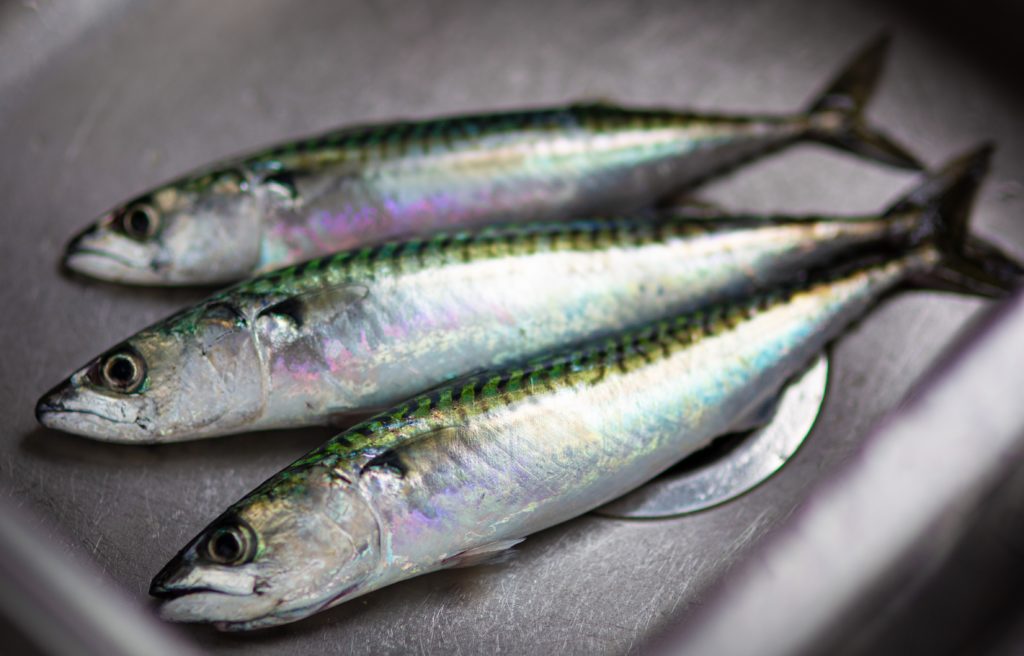
Fish And Seafood

Fish and seafood are also excellent flatulence-preventing foods. This is because they don’t produce as much gas when they’re digested. So if you find yourself struggling with gas and bloating after eating meat, try switching to fish or seafood.

Nut Milk And Other Products

Nut milk and other dairy-free products are a great way to reduce flatulence. This is because they don’t contain lactose, which is a common gas-forming carbohydrate. So if you find yourself struggling with gas and bloating after eating dairy products, try switching to nut milk or another dairy-free option.

Soy Products And Tofu

Soy products and tofu are also excellent flatulence-preventing foods. This is because they contain enzymes that help break down gas-forming carbohydrates. So if you find yourself suffering from gas after eating a high-carb meal, try adding some soy products or tofu to your plate.

Eggs

Eggs are a great way to reduce flatulence because they contain enzymes that help break down gas-forming carbohydrates. So if you find yourself suffering from gas after eating a high-carb meal, try adding some eggs to your plate.

Gas Producing Foods

There are some foods that simply don’t produce as much gas when they’re digested. These include lean protein, like chicken and fish, and healthy fats, like avocados and olive oil. Ginger includes a digestive enzyme that helps the body break down protein and may make digestion overall easier. So if you find yourself struggling with gas and bloating, try incorporating more of these gas-preventing foods into your diet.

As you can see, there are a variety of different foods that can help prevent flatulence.

What Causes Flatulence

Preventing Flatulence

If you’re looking to reduce flatulence, then be sure to include some of these flatulence-preventing foods in your diet. In addition to these gas-reducing foods, there are a few other things you can do to reduce the amount of gas you produce. Here are a few tips:

  • Avoid processed foods, as they often contain gas-forming ingredients.
  • Drink plenty of fluids, as this can help to flush out gas-forming toxins.
  • Take supplements that contain digestive enzymes.
  • Exercise regularly, as this can help to stimulate the digestive system and reduce flatulence.
  • Keep a food diary. When you feel bloating or gas, think about what you’ve eaten in the past few hours — that’s when gas usually arises.

By following these tips, you can help to reduce the amount of flatulence you produce and enjoy a healthier, happier gut.

Final Words

If you’re looking to reduce the amount of flatulence you produce, then be sure to include some of these flatulence-preventing foods in your diet. Avoid carbonated beverages, the air bubbles in beverages also cause excess gas. In addition to these gas-reducing foods, there are a few other things you can do to reduce the amount of gas you produce. By following these tips, you can help to reduce the amount of flatulence you produce and enjoy a healthier, happier gut.

Articles You Might Enjoy Reading

What Are The Worst Foods For Your Brain?

Your brain is one of the most important organs in your body. It controls everything from your breathing to your thoughts. That’s why it’s so important to take care of your brain by eating the right foods. In this blog post, we will discuss the worst foods for your brain and how they can damage brain function.

Researchers discovered that eating processed meats increases the likelihood of acquiring dementia, a condition characterized by cognitive decline.

Here are some of the worst foods for the brain which are as follows:

French Fries:

French fries and other fried foods are one of the worst foods for your brain. They are high in fat and calories, which can lead to weight gain. Additionally, processed foods like french fries are fried in oil, which can damage your brain cells.

French Fries Are Worst For Brain

Soda:

Soda is also bad for your brain. It contains a lot of sugar, which can cause inflammation and damage your brain cells. Soda is also high in calories, which can lead to weight gain.

Chips:

Like french fries, chips are also high in fat and calories. Additionally, they are often fried in oil, which can damage your brain cells.

Processed Meats:

Processed meats such as bacon and sausage are loaded with unhealthy fats and chemicals that can damage your brain cells. Additionally, processed meats are often high in salt, which can lead to high blood pressure and stroke.

Hot Dogs:

Hot dogs are another type of processed meat that is high in unhealthy fats and chemicals. Additionally, they often contain nitrates, which can be toxic to your brain.

Sugar:

Sugar is one of the worst things for your brain. It causes inflammation and damages brain cells. Additionally, sugar is high in calories, which can lead to weight gain. People who consume a lot of fat and refined sugar have poorer memory.

Alcohol:

Alcohol consumption is bad for your brain. It increases the risk of stroke and dementia. Additionally, alcohol can damage brain cells and lead to problems with learning and memory.

White Rice:

White rice is one of the worst foods for your brain. It is high in sugar and calories, which can lead to weight gain. Additionally, white rice has a high glycemic index, which can cause inflammation.

Tuna:

Tuna is a type of fish that is high in mercury. Mercury can damage your brain cells and lead to problems with learning and memory. Additionally, tuna is often high in salt, which can lead to high blood pressure and stroke.

Diet Soda:

Diet soda is also bad for your brain. It contains artificial sweeteners, which can damage your brain cells. Additionally, diet soda is often high in caffeine, which can lead to anxiety and insomnia.

Fast Food Burgers:

Fast food burgers are one of the worst foods for your brain. They are high in fat and calories, which can lead to weight gain. Additionally, fast food burgers often contain chemicals and preservatives that can damage your brain cells.

Fast Foods Are Worst For Brain

Cheese:

Cheese is high in saturated fat, which can damage your brain cells. Additionally, cheese is often high in salt, which can lead to high blood pressure and stroke.

Coffee:

Coffee is also bad for your brain. It contains caffeine, which can lead to anxiety and insomnia. Additionally, coffee is often high in sugar, which can cause inflammation and damage your brain cells.

Microwave Popcorn:

Microwave popcorn is one of the worst foods for your brain. It is high in fat and calories, which can lead to weight gain. Additionally, microwave popcorn is often coated with chemicals that can damage your brain cells.

Doughnuts:

Doughnuts are also bad for your brain. They are high in sugar, which can cause inflammation and damage your brain cells. Additionally, doughnuts are often fried in oil, which can damage your brain cells. Most doughnuts contain trans fats, another ingredient your brain doesn’t need.

Processed Meat:

Processed meat is loaded with unhealthy fats and chemicals that can damage your brain cells. Additionally, processed meat is often high in salt, which can lead to high blood pressure and stroke.

Canned Soup:

Canned soup is also bad for your brain. It often contains a lot of sodium, which can lead to high blood pressure and stroke. Additionally, canned soup often contains MSG, which can be toxic to your brain.

Refined Carbs:

Refined carbs such as white bread and pasta are bad for your brain. They are high in sugar and calories, which can lead to weight gain. Additionally, refined carbs can cause inflammation.

As you can see, there are many foods that are bad for your brain. These foods can damage your brain cells and lead to problems with learning and memory. Additionally, they can increase the risk of stroke and dementia. Therefore, it is important to avoid these foods if you want to keep your brain healthy.

Fried Food Are Worst For Brain

What Are Some Of The Best Foods For Your Brain?

Some of the best foods for your brain are blueberries, salmon, avocados, nuts, and dark chocolate. They play a vital role in mental health. These foods are all high in nutrients that can help to protect your brain cells and improve cognitive function. Additionally, they are all low in sugar and calories, which can help to prevent weight gain. Therefore, if you want to keep your brain healthy, be sure to include these foods in your diet.

As you can see, there are many different types of food that can have an impact on your brain health. Some of these foods can damage brain cells and lead to problems with learning and memory. Additionally, they can increase the risk of stroke and dementia. Therefore, it is important to be aware of the foods that are bad for your brain and to make sure you include the best foods for your brain in your diet. By doing so, you can help to keep your brain healthy and improve cognitive function.

Final Words

There are many different types of food that can impact your brain health. Some foods, like tuna and cheese, can damage brain cells and lead to problems with learning and memory. Additionally, these foods can increase the risk of stroke and dementia. Other foods, like blueberries, fatty fish, and salmon, are packed with nutrients that help to protect your brain cells and improve cognitive function. Therefore, it is important to be aware of the types of food you are eating in order to keep your brain healthy. Include the best foods for your brain in your healthy diet and avoid the worst foods for your brain to help improve your overall health.

Articles You Might Enjoy Reading

The Superb Sardine

If you’re looking for a healthy and delicious way to add more protein and omega-3 fatty acids to your diet, look no further than sardine. This small fish is packed with nutrients, and it’s one of the most sustainable seafood choices you can make. In this article, we’ll discuss the many benefits of eating sardines, and we’ll provide some tips for preparing them in a variety of tasty ways. So read on to learn more about this amazing little fish, and be sure to add sardines to your next grocery list!

What Are Sardines?

Sardines are small, oily fish that belong to the herring family. They’re found in saltwater environments all over the world, and they’re a popular food source in many cultures. Sardines are usually canned or smoked, and they can be eaten whole or used as an ingredient in various dishes.

Sardines are an excellent source of protein, vitamin B12, selenium, healthy fats, and omega-three fatty acids. They also contain calcium, iron, phosphorus, and potassium. Just one serving of sardines provides over half of the recommended daily intake of omega-three fatty acids! This makes them a great choice for people who want to improve their heart health or reduce their risk of chronic diseases like obesity and type II diabetes. Sardines are also helpful for the immune system.

How To Eat Sardines

How To Eat Sardines?

Sardines are extremely versatile, and they can be used in a variety of recipes. If you’re new to cooking with sardines, we suggest starting with a simple recipe like our Sardine Pasta with Tomatoes and Basil. This dish is easy to make and it’s full of flavor.

To make this dish, you’ll need:

  • One can of fresh sardines
  • One pint of cherry tomatoes
  • One bunch of fresh basil
  • Half a cup of olive oil
  • One clove of garlic
  • Salt and pepper to taste

First, start by cooking the pasta according to the package directions. While the pasta is cooking, heat the olive oil in a large skillet over medium heat. Add the garlic and cherry tomatoes, and cook until the tomatoes start to soften. Then, add the sardines and basil, and season with salt and pepper to taste. Cook for about five minutes, or until the sardines are cooked through. Serve over cooked pasta, and enjoy!

Benefits Of Sardines

Hence following are the benefits of sardine:

High In DHA And EPA:

DHA and EPA are omega-three fatty acids that are essential for brain and heart health. Studies have shown that people who consume high levels of DHA and EPA are less likely to develop dementia, Alzheimer’s disease, and other cognitive declines.

Sardines Help Decrease Insulin Resistance:

Insulin resistance is a condition in which the body’s cells become resistant to the effects of insulin. This can lead to type II diabetes and other health problems. Some studies have shown that omega-three fatty acids can help decrease insulin resistance, making sardines a great food for people with or at risk for type II diabetes.

What Are Sardines

Sardines Help Strengthen Your Eyes:

Omega-three fatty acids are also important for eye health. They help protect the eyes from age-related macular degeneration and other degenerative diseases.

Sardines Are Good For Your Healthy Bones:

Sardines are a good source of calcium, phosphorus, and vitamin D, all of which are essential for bone health. Vitamin D is especially important because it helps the body absorb calcium.

Sardines Can Help Lower Blood Pressure:

High blood pressure is a major risk factor for heart disease. Some studies have shown that omega-three fatty acids can help lower blood pressure, making sardines a great food for people with or at risk for heart disease.

Sardines Are Rich In Selenium:

Selenium is a mineral that plays an important role in the body’s antioxidant defenses. It helps protect cells from damage caused by free radicals, and it has been linked to a reduced risk of some cancers.

Sardines Are Safe For Expecting Mothers:

Pregnant women are often advised to avoid fish because of the risk of mercury exposure. However, sardines are low in mercury, making them a safe and healthy choice for pregnant women.

Sardines Contain Nutrients That Support Brain Health:

Sardines are a good source of vitamin B12, which is essential for brain health. They also contain omega-three fatty acids, which have been linked to a reduced risk of dementia and Alzheimer’s disease.

Osteoporosis Prevention

Both fresh and canned sardines are also a good source of vitamin D, which is essential for strong bones. Vitamin D helps the body absorb calcium, and a lack of vitamin D can lead to osteoporosis. Some studies have shown that people who consume high levels of vitamin D are less likely to develop osteoporosis.

Allergies And High Purine Content In Sardines

People with gout or kidney problems should avoid eating sardines because of their high purine content. Purines are a natural compound found in all body tissues, but they’re especially concentrated in fish and other seafood. When purines are broken down, they produce uric acid, which can lead to gout or kidney problems.

The Sardine Diet?

The sardine diet is a type of diet that includes eating large amounts of sardines. This diet is based on the belief that sardines are healthy and nutritious food. The sardine diet has been linked to several health benefits, including weight loss, improved heart health, and decreased insulin resistance.

Benefits Of Sardines

Sardines Replacing Psychotropic Medications?

A study published in the journal Nutritional Neuroscience found that omega-three fatty acids, like those found in sardines, can help improve symptoms of depression and anxiety. The study’s authors suggest that omega-three fatty acids could be used to replace psychotropic medications.

Final Words

Sardines are nutritious and healthy food that offer many benefits. They’re a good source of protein, omega-three fatty acids, vitamins, and minerals. Sardines are also low in mercury and safe for pregnant women to eat. If you’re looking for eating fish to add to your diet, sardines are a great choice.

Articles You Might Enjoy Reading

Join the New Milky Wave: The Benefits Of Camel Milk

Move over, cow’s milk. There’s a new kind of milk in town, and it’s gaining popularity fast. Camel milk has been used for centuries by nomadic people in the Middle East and North Africa, and it is now becoming popular all over the world because of its health benefits. In this article, we will discuss some of the key benefits of camel milk and why you should consider adding it to your diet!

What Is Camel Milk?

Camel milk is the milk of camels, and it has been used for centuries by people in the Middle East and North Africa. Camel milk is high in protein and low in fat, and it contains a range of vitamins and minerals that are beneficial for human health. Camel milk is also easier to digest than cow’s milk, making it a good choice for people who are lactose intolerant.

Composition Of Camel Milk

Camel milk is composed of water, fat, protein, carbohydrates, and minerals. The composition of camel milk varies depending on the camel’s diet and the time of year. Camel milk is generally lower in fat and higher in protein than cow milk. Camel milk is the closest natural substance to a human mother’s milk.

Why Is Camel Milk Better

Camel Milk Benefits

The health benefits of camel milk consumption have been known for centuries, but it is only now that the rest of the world is catching on. Camel milk is a great source of protein and essential nutrients, and it has been shown to boost immunity, improve digestion, and even help with weight loss. Camel milk is also high in calcium and vitamin C, making it a great choice for people who want to improve their bone health.

Why Is Camel Milk Better?

Camel milk is a great alternative to cow’s milk, and it has a range of health benefits that make it worth considering. Camel milk is high in protein and essential nutrients, and it is easy to digest. Consuming camel milk is also a good choice for people who are lactose intolerant or have allergies to cow’s milk.

If you’re looking for a nutritious and delicious alternative to cow’s milk, camel milk is a great choice! Give it a try today and see for yourself the benefits of this amazing beverage.

Camel Milk And Diabetes

Camel milk has also been shown to be beneficial for people with diabetes. A study in Saudi Arabia showed that camel milk was able to lower blood sugar levels in people with type-two diabetes, and it is thought that the high levels of insulin in camel milk may be responsible for this effect.

Camel Milk And Cancer

Camel milk has also been shown to have anti-cancer properties. A study in China showed that camel milk was able to kill cancer cells and reduce the growth of tumors.

Camel Milk And Weight Loss

Camel milk is a great choice for people who are trying to lose weight. The high protein content of camel milk helps to keep you feeling full, and the low-fat content means that it is a low-calorie food. Camel milk is also high in calcium, which has been shown to help with weight loss.

Keeps The Blood Flowing

Camel milk is also high in iron, which is essential for keeping the blood flowing. Iron is needed to produce hemoglobin, which carries oxygen around the body. Camel milk is a great choice for people who are looking to improve their iron levels.

Camel Milk And Allergies

Camel milk is also a good choice for people who have a milk allergy. Camel milk is less allergenic than cow’s milk, and it is also easier to digest.

Camel Milk And Lactose Intolerance

Camel milk is a good choice for people who are lactose intolerant. The high levels of lactase in camel milk make it easier to digest, and the low levels of lactose make it a good choice for people who are intolerant.

Camel Milk And Autism

Camel milk has also been shown to be beneficial for people with autism. A study in Saudi Arabia showed that camel milk was able to improve symptoms of autism, and it is thought that the high levels of omega-three fatty acids in camel milk may be responsible for this effect.

Camel Milk And Heart Disease

Camel milk is also good for people who are at risk of heart disease. A study in Saudi Arabia showed that camel milk was able to lower cholesterol levels and improve heart health.

Camel Milk And Kidney Disease

Camel milk is also a good choice for people with kidney disease. A study in Saudi Arabia showed that camel milk was able to improve kidney function.

Boosting Up The Immune System

Camel milk is also great for boosting the immune system. A study in Saudi Arabia showed that camel milk was able to improve immunity.

Beauty In Camel Milk

Camel milk is also said to be good for the skin. Camel milk is high in vitamin C, which is essential for collagen production. Collagen is a protein that helps to keep the skin looking young and elastic. Camel milk is also high in unsaturated fatty acids, which are necessary for keeping the skin hydrated.

Composition Of Camel Milk

Is Camel Milk The Wave Of The Future?

Yes, camel milk is definitely the wave of the future! This nutritious and delicious beverage has so many benefits that it is hard to ignore. So if you’re looking for an alternative to cow’s milk, give camel milk a try today! You won’t be disappointed.

Camel milk is a great choice for people who want to improve their health. The many benefits of camel milk make it a natural choice for anyone who is looking for an alternative to cow’s milk. Give camel milk a try today!

Does Drinking Camel Milk Cause Side Effects?

Camel milk is generally safe to drink, but there are a few potential side effects that you should be aware of. Camel milk is high in sodium, so it can cause dehydration if you drink too much of it. Camel milk is also high in fat, so it can cause digestive problems if you drink too much of it. If you have any concerns, please consult your doctor before drinking camel milk.

Final Words

Camel milk is a nutritious and delicious alternative to cow’s milk. The many benefits of camel milk make it a natural choice for anyone who is looking for an alternative to cow’s milk. Give camel milk a try today! You won’t be disappointed.

Articles You Might Enjoy Reading

10 Foods For Your Thyroid

Your thyroid is responsible for a lot of important functions in your body, such as regulating your metabolism and energy levels. If it isn’t working properly, you may start to experience a wide range of symptoms, such as weight gain, fatigue, and mood swings. Fortunately, there are many foods that can help support your thyroid health. In this article, we will discuss 10 of the best foods for your healthy thyroid function!

What Is Thyroid?

It produces hormones that regulate many important functions in your body, including your metabolism, heart rate, and body temperature. The thyroid gland is a butterfly-shaped gland on the front of your neck, directly below your Adam’s apple.

Thyroid disorders are fairly common and can cause a variety of symptoms. If you think you may have a thyroid disorder, it’s important to see your doctor for an accurate diagnosis.

Types Of Thyroid Disorder

There are two main types of thyroid disorders:

Hypothyroidism: This occurs when your thyroid doesn’t produce enough hormones. Symptoms include weight gain, fatigue, constipation, dry skin, and hair loss. Iodine is used by your body to produce thyroid hormones. This is why an iodine deficiency can result in hypothyroidism, a syndrome in which the body is unable to produce adequate thyroid hormones.

Hyperthyroidism: This occurs when your thyroid produces too many hormones. Symptoms include weight loss, anxiety, irritability, and sweating.

10 Foods For Your Thyroid

While there are many foods that can help improve your thyroid function, some may be better than others.

Foods For Thyroid

Here are some foods that are important for the normal thyroid function and thyroid gland:

Try Some Bamboo Shoots

Bamboo shoots are a delicious and nutritious way to support your thyroid. They are rich in fiber, vitamins, and minerals, and have been shown to boost metabolism and energy levels.

That Morning Cup Of Coffee

Coffee is not only a great way to start your day, but it can also help support your thyroid health. Coffee is a rich source of antioxidants and has been shown to improve metabolism and reduce inflammation.

Include Brazil Nuts In Your Diet

Brazil nuts are an excellent source of selenium, which is a mineral that is essential for thyroid health. Selenium helps to produce thyroid hormones and protect the thyroid from damage.

Oranges (And Other Citrus Fruits)

Oranges are a great source of vitamin C, which is an antioxidant that helps to protect the thyroid from damage. Vitamin C also helps to improve metabolism and reduce inflammation.

The Health-Giving Qualities Of Seaweed

Seaweed is a type of algae that is rich in nutrients, including iodine. Iodine is essential for thyroid health, as it helps to produce thyroid hormones. Seaweed also has anti-inflammatory and antioxidant properties.

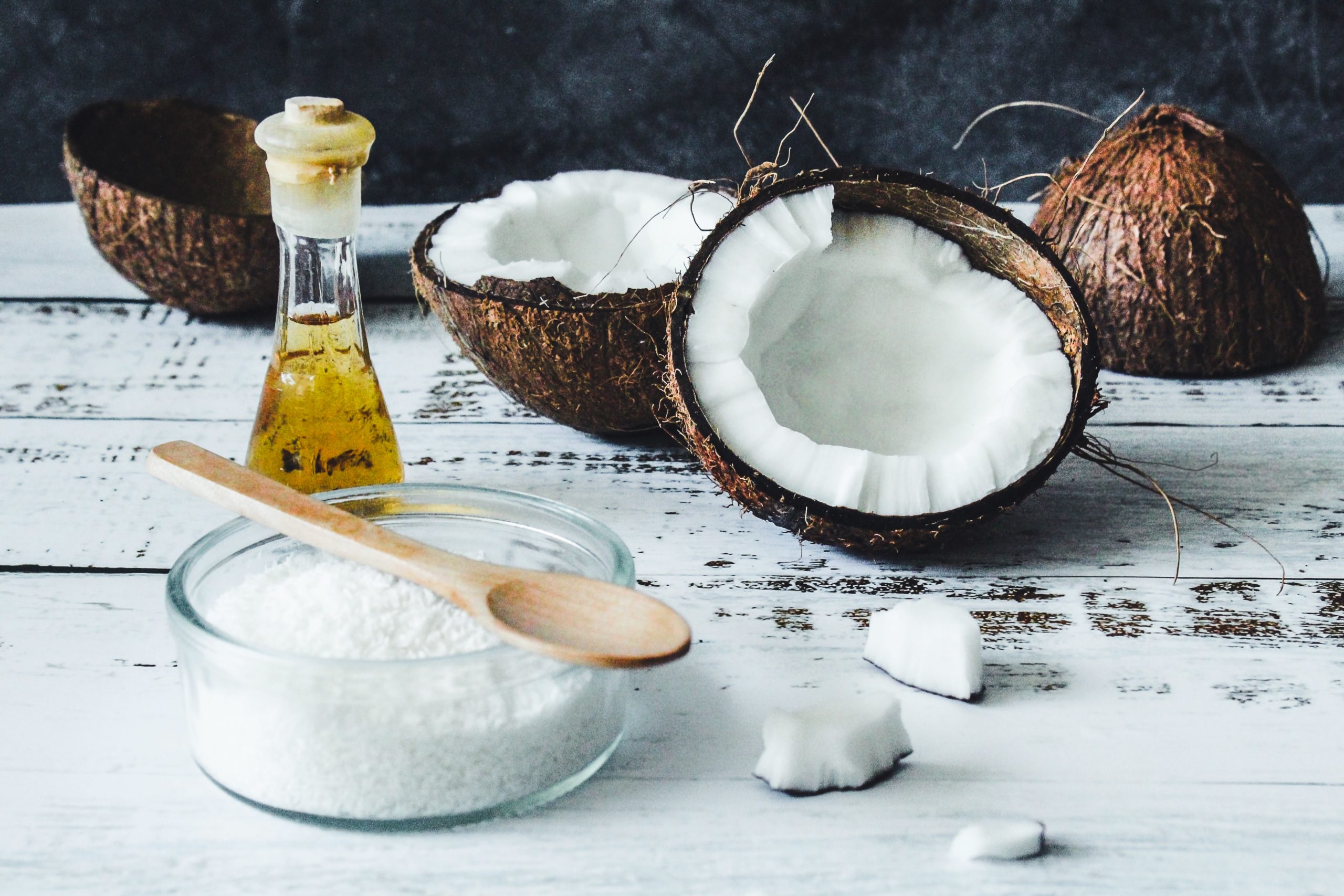
Coconut Oil Is Good For You

Coconut oil is a healthy fat that can help to support your thyroid. Coconut oil is rich in lauric acid, which has been shown to improve metabolism and reduce inflammation.

Foods For Thyroid

Add Spinach To Your Salads

Spinach is a nutrient-rich leafy green that can help to support your thyroid. Spinach is a good source of iodine, selenium, and vitamins A, C, and E. These nutrients are essential for thyroid health and help to protect the thyroid from damage.

Avoid Drinking Tap Water

Tap water can contain harmful chemicals that can damage the thyroid. These chemicals include fluoride, chlorine, and bromine. It is best to drink filtered or distilled water to protect your thyroid health.

Low-Fat Yogurt

Yogurt is a good source of iodine, which is essential for thyroid health. It is also a good source of calcium and protein, both of which are important for maintaining healthy bones and muscles.

Going Nuts Over Walnuts

Walnuts are a nutritious and delicious way to support your thyroid. Walnuts are rich in selenium, which is essential for thyroid health. They are also a good source of omega-three fatty acids, which have anti-inflammatory properties.

Iodine is an essential mineral for thyroid health. It helps to produce thyroid hormones and protect the thyroid from damage. The best sources of iodine include seafood, seaweed, eggs, and dairy products.

These are just some of the healthy diets that can help to support your thyroid health! Be sure to include these nutrient-rich foods in your diet for proper thyroid gland function.

Causes Of Thyroid Disease

There are many different causes of thyroid disease. Some of the most common include:

  • Autoimmune diseases: Autoimmune diseases, such as Hashimoto’s disease and Graves’ disease, are the most common cause of thyroid disease.
  • Infections: Infections, such as Epstein-Barr virus and cytomegalovirus, can also cause thyroid disease.
  • Medications: Certain medications, such as lithium and interferon, can also cause thyroid disease.
  • Radiation therapy: Radiation therapy to the neck or head can also cause thyroid disease.
  • Thyroid surgery: Thyroid surgery can also lead to thyroid disease.

If you think you may have a thyroid problem, be sure to see your doctor for a diagnosis.

Diagnosis Of A Thyroid Problem

There are several tests that can be used to diagnose a thyroid problem. The most common include:

  • Blood tests: Blood tests can measure the levels of thyroid hormones in your blood.
  • Imaging tests: Imaging tests, such as ultrasound or MRI, can be used to look at the structure of your thyroid gland.
  • Biopsy: A biopsy, which is a sample of tissue from your thyroid gland, can be used to check for changes in the cells of your thyroid.
Treatment Of A Thyroid Problem

Treatment Of A Thyroid Problem

The treatment of a thyroid problem depends on the cause and severity of the condition. Some common treatments include:

  • Thyroid Medications: Medications, such as levothyroxine, can be used to treat thyroid problems.
  • Supplements: Biotin supplements, which are commonly included in hair and nail preparations, can interfere with thyroid hormone monitoring. Although biotin has no effect on thyroid hormone levels, supplements should be discontinued for at least a week before assessing thyroid function to ensure that your thyroid status is appropriately recorded.
  • Surgery: Surgery may be necessary to remove the thyroid gland if it is enlarged or cancerous.
  • Radiation therapy: Radiation therapy may be used to destroy cancerous cells or shrink an enlarged thyroid gland.

Prevention Of A Thyroid Problem

There are several things you can do to help prevent a thyroid problem:

  • Healthy Diet: Eating a healthy diet rich in iodine, selenium, and omega-three fatty acids can help to prevent thyroid problems.
  • Avoiding Toxins: Avoiding exposure to toxins, such as fluoride, chlorine, and bromine, can also help to prevent thyroid problems.
  • Get enough iodine: Be sure to get enough iodine in your diet by eating iodine-rich foods, such as seafood, seaweed, eggs, and dairy products.
  • Avoid radiation exposure: Avoid exposure to radiation by avoiding X-rays and other forms of radiation.
  • Manage stress: Managing stress can help to reduce the risk of developing a thyroid problem.
  • Be aware of your family history: If you have a family member with a thyroid condition, you may be at increased risk for developing a thyroid problem.

Be sure to see your doctor for regular checkups so that any problems can be detected early.

Final Words

Thyroid problems can be caused by a variety of factors. Be sure to see your doctor if you think you may have a thyroid problem so that it can be properly diagnosed and treated.

Articles You Might Enjoy Reading

The Science Behind Cytokine Storms

Cytokine storms are a serious concern for anyone who is dealing with pandemics and outbreaks. They can cause serious damage to the body, and even lead to death. In this article, we will discuss what cytokine storms are, how they form, and some of the dangers that they present. We will also talk about some of the research that is being done in order to better understand these dangerous events.

Cytokine Storms

However, sometimes, the body can produce too many of these proteins. This overproduction is called a cytokine storm, and it can be very dangerous. Cytokine storms can occur in response to viral infections, like influenza or Ebola. They can also occur after someone receives a vaccine or as a result of an autoimmune disease. When this happens, the cytokines begin to attack healthy cells in the body, and this can lead to a wide variety of symptoms. These can include fever, chills, increased heart rate, difficulty breathing, and even organ failure. In severe cases, cytokine storms can lead to death.

Immune cells release cytokines that tell the body to produce more immune cells, and in turn, these new cells release even more pro-inflammatory cytokines.

Cytokine storms have been mentioned in numerous viral disorders, which is why this phrase is most usually used to describe an unregulated immune system inflammatory reaction.

Cytokines can promote a variety of tasks, including cell proliferation and differentiation control, autocrine, paracrine, and/or endocrine activity, and immune and inflammatory response regulation.

Anti-inflammatory cytokines are important to maintain balance and prevent tissue damage.

Normal Cytokine Reaction

Cytokines are proteins that are produced by the body in response to infection. They help to regulate the immune system and fight off infections. When you get sick, your body produces more of these proteins in order to fight the infection. This is a normal reaction that helps to keep you healthy.

Abnormal Response

However, sometimes the body produces too many of these proteins. This can happen in response to a particularly virulent infection, or it may be due to an autoimmune disorder. When this happens, it is called a cytokine storm.

Cytokine storms can cause a wide variety of symptoms. These can include fever, chills, increased heart rate, difficulty breathing, and even organ failure. In severe cases, they can lead to death.

Interferons

One of the ways that researchers are working to prevent cytokine storms is by developing drugs that can block the proteins that cause them. These drugs are called interferons, and they work by preventing the body from producing too many of these proteins. Interferons are already being used to treat some autoimmune diseases, and they may one day be used to prevent cytokine storms from occurring during pandemics.

Interleukins

Another way that researchers are working to prevent cytokine storms is by developing drugs that can block the proteins that cause them. These drugs are called interleukins, and they work by preventing the body from producing too many of these proteins. Interleukins are already being used to treat some autoimmune diseases, and they may one day be used to prevent cytokine storms from occurring during pandemics.

Chemokines

Researchers are also working on developing drugs that can block the proteins that cause cytokine storms. These drugs are called chemokines, and they work by preventing the body from producing too many of these proteins. Chemokines are already being used to treat some autoimmune diseases, and they may one day be used to prevent cytokine storms from occurring during pandemics.

Colony-Stimulating Factors

Finally, researchers are working on developing drugs that can block the proteins that cause cytokine storms. These drugs are called colony-stimulating factors, and they work by preventing the body from producing too many of these proteins. Colony-stimulating factors are already being used to treat some autoimmune diseases, and they may one day be used to prevent cytokine storms.

Tumor Necrosis Factor Inhibitors

Researchers are also working on developing drugs that can block the proteins that cause cytokine storms. These drugs are called tumor necrosis factor inhibitors, and they work by preventing the body from producing too many of these proteins. Tumor necrosis factor inhibitors are already being used to treat some autoimmune diseases, and they may one day be used to prevent cytokine storms.

Cytokine Release Syndrome

Cytokine release syndrome is a condition that occurs when the body produces too many of these proteins. It can be caused by a virulent infection or an autoimmune disorder. Treatment for this condition typically involves drugs that block the proteins that cause the syndrome.

Symptoms

Cytokine storms can cause a wide variety of symptoms. These can include fever, chills, increased heart rate, difficulty breathing, and even organ failure due to a bad immune response. In severe cases, they can lead to death.

Symptoms Of Cytokine Storms

Treatment

There is no specific treatment for cytokine storms. However, there are some things that can be done to help ease the symptoms and make the person more comfortable. These include:

  • Providing fluids through an IV
  • Giving oxygen
  • Using a ventilator to help with breathing
  • Administering steroids to reduce inflammation
  • Giving medications to regulate the immune system

While there is no specific treatment for cytokine storms, researchers are working on developing drugs that can block the proteins.

Laboratory Findings Of COVID-19

There are a few laboratory findings that have been associated with COVID-19. These include:

  • Elevated levels of inflammatory cytokines
  • Elevated levels of liver enzymes
  • Decreased levels of lymphocytes
  • Increased levels of ferritin (a protein that stores iron)

While these laboratory findings can be seen in other diseases, they are often seen in patients with severe cases of COVID-19. This suggests that they may be useful in identifying patients who are at risk for developing severe symptoms.

Anti-inflammatory medicines that reduce cytokine responses, in addition to anti-viral medications that directly target the virus, are proposed to reduce morbidity and death in COVID-19 patients.

Cytokine storm syndrome is a severe complication associated with some infections, like COVID-19, and can result in death. It occurs when the body produces too many certain proteins called cytokines. Cytokine storms can cause a wide variety of symptoms, including fever, chills, increased heart rate, difficulty breathing, and even organ failure due to a bad immune response. Treatment for this condition typically involves drugs that block the proteins that cause the syndrome. Researchers are also working on developing vaccines that can prevent cytokine storms from occurring in the first place.

Pneumonia

One of the most common complications of COVID-19 is pneumonia. Pneumonia is an infection of the lungs that can cause a number of symptoms, including:

  • Cough
  • Shortness of breath
  • Chest pain
  • Fever
  • Chills

Pneumonia can be a serious complication, and it is often the cause of death in patients with COVID-19. Treatment typically involves giving the patient fluids and oxygen, as well as antibiotics to fight the infection. In severe cases, a ventilator may be needed to help the patient breathe.

Prevention

There is no specific prevention for COVID-19 at this time. However, there are some things that you can do to lower your risk of becoming infected:

  • Wash your hands often with soap and water for at least 20 seconds.
  • Avoid close contact with people who are sick.
  • Clean and disinfect frequently touched objects and surfaces.
  • Stay home when you are sick.
Treatment Of Cytokine Storms

While there is no specific prevention for COVID-19 at this time, researchers are working on developing a vaccine. It is expected to take 12-18 months to develop a vaccine that is safe and effective for humans. In the meantime, it is important to do everything you can to lower your risk of becoming infected. This includes washing your hands often, avoiding close contact with people who are sick, and staying home when you are sick.

Conclusion

Cytokine storms can be very dangerous, but there is hope that we will one day be able to prevent them from happening. There is currently research being done to develop drugs that can block the proteins that cause these storms. These drugs are already being used to treat some autoimmune diseases, and they may one day be used to prevent cytokine storms.

In the meantime, it is important to do everything you can to lower your risk of becoming infected with COVID-19. This includes washing your hands often, avoiding close contact with people who are sick, and staying home when you are sick. If you do become infected, it is important to seek medical help immediately. Early diagnosis and treatment can make a big difference in the severity of your symptoms.

Articles You Might Enjoy Reading