10 Causes of Hot Flashes

Do you sometimes feel like you’re on fire? If so, you may be experiencing a hot flash. Hot flashes are a common symptom of menopause, but can also occur in women who are not going through menopause. In this blog post, we will discuss the 10 most common causes of hot flashes. Knowing the causes can help you to manage them more effectively.

causes of hot flashes
10 Causes of Hot Flashes

Hot Flashes

A hot flash is a sudden feeling of warmth, which is often accompanied by a flush or redness of the skin. Many women experience hot flashes during menopause. Hot flashes typically last for a few minutes, although some women may experience them for longer periods of time. In addition to feeling warm, women may also experience sweating, palpitations, and an accelerated heart rate during a hot flash. Hot flashes are caused by fluctuations in hormone levels, according to researchers. The good news is that there are several things that women can do to help alleviate their symptoms. For example, avoiding trigger foods (such as spicy foods), wearing loose-fitting clothing, and staying cool (by keeping the room temperature cool or using a fan) can all help to minimize the intensity and duration of hot flashes.

Causes Of Severe Hot Flashes

Many women experience hot flashes during menopause, but for some, the symptoms can be severe. Here are 10 causes of severe hot flashes:

  1. Hormonal imbalances: Hot flashes are caused by a drop in estrogen levels, so anything that disrupts the body’s hormone levels can trigger them. This includes conditions like polycystic ovary syndrome (PCOS) and adrenal gland disorders.
  2. Medications: Certain medications can interfere with the body’s hormone levels, which causes hot flashes. These include certain antipsychotics, antidepressants, high blood pressure medication, and more.
  3. Obesity: Being overweight can contribute to hot flashes by raising the body’s core temperature.
  4. Smoking: Nicotine is known to constrict blood vessels, which can cause flushing and heat sensations in the body.
  5. Stress: Stress can trigger the release of adrenaline, which causes an increase in heart rate and body temperature – both of which can lead to hot flashes.
  6. Caffeine: Caffeine is a stimulant that can increase heart rate and body temperature, leading to hot flashes.
  7. Spicy Foods: Spicy foods can cause the body to sweat, which can lead to hot flashes.
  8. Alcohol: Alcohol can cause the blood vessels to dilate, which leads to flushing and a feeling of warmth.
  9. Sugar: Sugar causes a spike in blood sugar levels, which can lead to hot flashes.
  10. Hot weather: Hot weather can trigger hot flashes by causing the body to sweat. Night sweats are also a thing with hot flashes.

Risk Factors Of Hot Flashes

Hot flashes occur when blood vessels near the skin’s surface expand to release heat. They are a common symptom of menopause and can also be caused by certain medications or medical conditions. Hot flashes typically last for a few minutes and may be accompanied by sweating, dizziness, or a racing heart.

causes of hot flashes
Risk Factors Of Hot Flashes

While hot flashes can be uncomfortable, they are not usually harmful. However, hot flashes can interfere with sleep and cause anxiety or mood swings. If hot flashes are severe, talk to your doctor about treatment options. There are several ways to manage hot flashes, including lifestyle changes and medications.

Health Tips To Managing Hot Flashes

Hot flashes are a common occurrence during menopause and can be very unpleasant. Hot flashes vary in intensity, duration, and frequency, and can be triggered by a variety of medical conditions. While there is no one-size-fits-all solution to managing hot flashes, there are a few tips that may help. First, it is important to identify any triggers and avoid them if possible. Common triggers include stress, caffeine, alcohol, spicy food, and smoking.

Second, staying cool and comfortable can help to minimize the intensity of hot flashes. This may mean wearing loose-fitting clothing, using a fan or air conditioner, and avoiding overheated environments. Finally, certain medications can also be effective in reducing the frequency and severity of hot flashes. However, it is important to speak with a doctor before starting any new medication. By following these tips, women can take steps to manage their hot flashes and live more comfortably during menopause.

How To Treat Hot Flashes

Anyone who has experienced a hot flash knows that they can be extremely uncomfortable. The hot, flushed feeling can start suddenly and last for several minutes. In some cases, hot flashes may be accompanied by a rapid heart rate, sweating, and anxiety. While hot flashes are most commonly associated with menopause, they can also occur during perimenopause (the years leading up to menopause) and in some cases, pregnancy.

causes of hot flashes
How To Treat Hot Flashes

There are a variety of methods that helps when treating hot flashes. Some women find relief by taking over-the-counter or prescription medication. Others find that making lifestyle changes, such as avoiding triggers (such as spicy food or caffeine), managing stress, and staying cool (wearing layers of clothing that can be removed easily) helps to reduce the frequency and severity of hot flashes. In some cases, alternative therapies, such as acupuncture or hypnosis, may also be effective. If you’re struggling with hot flashes, talk to your doctor about the best treatment options for you.

Final Thoughts

Although the precise cause of hot flashes is unknown, they are common explanations for it. One theory is that hot flashes are caused by a drop in estrogen levels. This drop can occur during perimenopause, the transition to menopause when estrogen levels naturally begin to decline. Another possible cause is an underlying medical condition, such as hypothyroidism or diabetes. Menopause itself may also be a factor, as menopausal hot flashes are more common in women.

However, there are many women who experience hot flashes who have not yet reached menopause, pointing to other potential causes. Whatever the cause, hot flashes can be disruptive and uncomfortable. However, there are treatments available that can help to lessen their frequency and severity. Talk to your doctor about your options and find the solution that works best for you.

Read More:

What Is Foot Drop

Are you wondering what is foot drop? In this blog post, we will discuss what foot drop is, what causes it, and how it can be treated.

Ankle Or Foot Bones 

what is foot drop

Common Inherited Peripheral Neuropathy, also called CIPN, is a physical medical condition that affects the lower leg. It is caused by amyotrophic lateral sclerosis, or ALS, and is characterized by weakness in the foot and toes. This can make it difficult to walk without dragging the foot, and can also cause a drop foot, or a condition in which it becomes difficult lifting the ankle or foot bones to their normal position. 

Peripheral neuropathy is a symptom of an underlying medical condition. It is characterized by nerve damage that can cause weakness in muscle control, trouble walking, numbness, and pain in the muscle tissue. There are many possible causes of peripheral neuropathy, including diabetes, Lou Gehrig’s disease, and tendon surgery. The most common cause of peripheral neuropathy is diabetes. Other causes include Lou Gehrig’s disease, tendon surgery, nerve injury, and ankle joint injury. In some cases, imaging tests may be needed to rule out other potential causes. Treatment for peripheral neuropathy depends on the underlying cause. If the cause is diabetes, treatment focuses on managing blood sugar levels. 

For Lou Gehrig’s disease, treatment involves physical therapy to relieve pressure on muscles and help with muscle control. Surgery may be necessary to repair nerve damage. Nerve ultrasound blood tests may be used to diagnose the condition. Common inherited peripheral neuropathy can be treated with physical medicine and physical and occupational therapy. Lower leg exercises may help to improve foot and ankle joint function. ankle or foot braces may be used to avoid dragging the foot when walking. 

Physical therapy can help to improve muscle function and foot drop. Treatment for peripheral neuropathy typically focuses on relieving pressure on the nerves and restoring muscle control. Physical medicine and rehabilitation are considered the best remedy to help relieve symptoms and improve muscle tissue. In some cases, surgery may be necessary to repair the nerves or joints.

Foot drop varies in intensity, from mild muscle weakness to complete paralysis, and its severity often depends on the underlying cause. In some cases, physical therapy may be enough to cure a foot drop, but in others, neurological disorders may require more aggressive treatment. The most common cause of foot drop is peroneal nerve dysfunction, which can be caused by a variety of chronic or ongoing illnesses. Other common causes include sciatic nerve compression, spinal cord disorders, and multiple sclerosis. In some cases, a foot drop may be a medical emergency that requires immediate treatment. If you think you may have a foot drop, it is important to see a doctor right away for diagnosis and treatment. Early diagnosis and treatment can help improve your chances of recovery.

What Is Foot Drop Or Drop Foot?

what is foot drop

Foot drop otherwise called a drop foot is a condition that involves weakness or paralysis of the muscles in the foot and ankle. This can cause the foot to drag on the ground when walking. Foot drop is usually caused by muscle weakness or paralysis, but it can also be caused by problems with the bones, ligaments, or tendons in the foot and ankle. 

The most common cause of foot drop is a condition called peroneal nerve palsy, which is caused by damage to the peroneal nerve. This nerve runs from the thigh down to the foot and controls the muscles that lift the foot. The severity of foot drop depends on how fast electrical signals travel through the nerve. The speed of the signals determines how well the leg muscles can lift the foot and how high the ankle or foot bones can be raised. Foot drop can also be caused by other conditions that affect the nerves or muscles, such as multiple sclerosis, Charcot-Marie-Tooth disease, or spinal cord disorders. The most common cause of foot drop is nerve injury. Other causes include spinal cord disorders, muscular dystrophy, polio, and cerebral palsy. In some cases, a foot drop may be caused by a more chronic or ongoing illness, such as diabetes. Treatment for a foot drop depends on the underlying cause. In most cases, physical therapy is recommended to help strengthen the muscles and improve the range of motion. In some cases, surgery may be necessary to correct the underlying problem.

Foot Drop Depends On What?

what is foot drop

Foot drop, otherwise called drop foot is a medical condition in which the ankle and toes drag on the ground when you walk. Foot drop is caused by ankle or foot weakness. Foot drop may also be caused by problems with the nerves that supply the muscles or by problems with the bones or joints of the foot or ankle. The most common type of nerve damage that can cause foot drop is damage to the peroneal nerve. Treatment for a foot drop depends on the underlying cause. Options may include physical therapy, occupational therapy, nerve stimulation, braces or splints to hold your foot in a more normal position, Tendon surgery to correct an anatomical problem causing a foot drop, and electrical stimulation to help improve muscle function. There is no cure for foot drop, but treatment can help you manage the condition and improve your ability to walk. If you have a foot drop, it is important to see a doctor so that you can get the proper treatment and avoid complications such as falls and fractures.

The common peroneal nerve is a peripheral nerve that extends from the sciatic nerve in the leg to the muscles in the foot and ankle. It is responsible for sending electrical signals from the brain to the muscles, which allows them to contract and move. When the peroneal nerve is damaged, it can cause a foot drop, which is a condition in which the toes drag on the ground when walking. Foot drop can be caused by numerous factors, including neurological disorders, spinal cord disorders, and chronic or ongoing illness. The prognosis for a foot drop depends on the underlying cause. For example, if a foot drop is caused by a neurological disorder such as multiple sclerosis, it is not curable. However, if a foot drop is caused by an acute injury such as a peroneal Nerve Injury common peroneal nerve injury, it is often possible to regain full function of the foot and ankle with treatment.

Conclusion

Foot drop, otherwise called drop foot is an ailment in which the beginning of the foot drags when you try to lift it. Foot drop palsy is a condition in which the foot bones cannot be lifted to a normal position due to muscle weakness or paralysis. Foot drop may be caused by a variety of conditions, including neurological disorders, spinal cord disorders, and chronic or ongoing illness. 

10 Symptoms Of Neurofibromatosis

Do you know the 10 symptoms of neurofibromatosis? Symptoms can vary from person to person but can include skin abnormalities, tumors, and problems with the brain and spinal cord. In this blog post, we will discuss 10 symptoms of neurofibromatosis. If you suspect that you or someone you know may have neurofibromatosis, it is important to seek medical attention right away.

10 Symptoms Of Neurofibromatosis

symptoms of neurofibromatosis

Neurofibromatosis is a disorder that affects the nervous system and causes uncontrolled cell growth. It is characterized by the growth of tumors on nerve tissue. Neurofibromatosis can be divided into two types: neurofibromatosis type 2 (NF2) and neurofibromatosis type 1 (NF1). NF1 is also known as von Recklinghausen’s disease. NF1 is caused by a mutated gene that encodes a protein called Merlin. Children with NF1 often develop acoustic neuromas. Acoustic neuromas are benign tumors that affect the nerves responsible for balance and hearing. It is also called bilateral vestibular schwannomas. People with NF2 have a higher risk of developing bilateral vestibular schwannomas. 

The cause of neurofibromatosis is a mutation in a gene protein called Neurofibromin. This gene helps to control cell growth. It is characterized by the growth of tumors on the nerves and can cause a wide range of symptoms, including 10 common ones:

1. Skin changes. One of the most common signs of neurofibromatosis is the development of dark spots on the skin called “au lait” spots. People with neurofibromatosis may also have cafe-au-lait spots, which are larger and darker than au lait spots.

2. Bone abnormalities. Neurofibromatosis can cause abnormal bone development, such as curvature of the spine or thinning of the bones in the arms or legs.

3. Lisch nodules. These are small bumps that can form on the iris of the eye and are usually benign (noncancerous). However, they can sometimes indicate a more serious type of tumor called an optic pathway glioma.

4. Children with nf1 and neurological disorders experience attention deficit hyperactivity disorder, learning disabilities, and vision problems. Children with neurofibromatosis (NF) can also experience skeletal abnormalities, short stature, and unusually large head size. 

5. Attention deficit hyperactivity disorder (ADHD). ADHD is a common sign of NF1.

6. Cancerous tumors on nerves in the brain or on spinal nerves along the spinal cord (optic pathway gliomas) can cause vision problems or hearing loss if they press on cranial nerves.

7. An increased risk of gastrointestinal stromal tumors, breast cancer, and colorectal cancer.

8. Signs and symptoms include vestibular tumors that can cause vertigo and dizziness.

9. Spinal cord tumors that can cause pain, numbness, weakness, and paralysis.

10. Tumors that develop in the brain and interfere with the nervous system and nerve function, affect nerves and the brain causing seizures, headaches, and hydrocephalus.

Benign Adrenal Gland Tumor

symptoms of neurofibromatosis

A benign adrenal gland tumor is a growth on the adrenal gland that isn’t cancer. The adrenal gland is important because it produces hormones that help regulate the body’s metabolism, blood pressure, and stress response. Benign adrenal gland tumors are usually found during a routine physical exam or testing for another condition. In most cases, they don’t cause any symptoms and don’t need to be treated. However, in some cases, a benign adrenal gland tumor can cause high blood pressure, anxiety, and other problems. If a benign adrenal gland tumor is causing symptoms or problems, treatment may involve surgery to remove the tumor, radiation therapy, or hormone therapy.

Suppressing tumors is an important bodily function that helps prevent the formation of cancerous growths. Tumors can develop anywhere in the body and can have a wide range of negative effects on health, including affecting vision, causing chronic pain, and increasing blood pressure. There are several different types of tumors, including skin tumors, vestibular tumors, and breast tumors. Some tumors are benign, while others are cancerous. Some common signs and symptoms of tumor growth include café au lait spots, bone deformities, and learning disabilities. Having a family history of tumor growth increases the likelihood of developing tumors. Tumors can also be caused by spontaneous mutation or exposure to radiation therapy. Treatment for tumors depends on the type and location of the tumor. Surgery is often used to remove benign tumors, while radiation therapy may be used to treat malignant tumors. In some cases, medication may be used to suppress the growth of tumors. Early detection and treatment of tumors are essential for preventing serious health complications.

Neurological Disorders

Neurofibromatosis is an autosomal dominant disorder and gene mutation which means that if one parent has the gene for neurofibromatosis, there is a 50% chance their child will inherit the gene.

Suppressing tumors is essential for preventing the development of cancerous growth. Tumors form when there is uncontrolled cell growth. This can be due to a spontaneous mutation or an altered gene. Tumors can affect different parts of the body, including the brain, nerves, skin, and bones. They can also cause vision problems, learning disabilities, and chronic pain. Signs and symptoms of tumors depend on their location. For example, vestibular tumors may cause balance problems and hearing loss, while optically gliomas can affect vision. 

Brain And Nervous System

symptoms of neurofibromatosis

The nervous system is a complex network of nerve cells that carry messages back and forth between the brain and the body. There are many different types of neurological disorders, ranging from relatively common conditions like migraines and vertigo to rarer disorders like Lou Gehrig’s disease and epilepsy. Some disorders are caused by problems with specific parts of the nervous system, while others are the result of high blood pressure or autoimmune diseases. In some cases, neurological disorders are hereditary, while in others they develop spontaneously. Neurological surgeons are specially trained to treat disorders of the nervous system.

The National Institutes of Health (NIH) is the primary federal agency responsible for conducting and supporting medical research in the United States. One of these institutes is the National Institute of Neurological Disorders and Stroke (NINDS), which is dedicated to researching disorders that affect the nervous system.

People with neurofibromatosis can have poor nerve function, severe pain, peripheral nerve damage, skeletal abnormalities, and cutaneous neurofibromas.

Conclusion 

Tumors develop spontaneously or as a result of an altered gene. Tumors form from either normal or cancerous cells. There are many different types of tumors, but some of the most common include acoustic neuromas, vestibular schwannomas, meningiomas, and neurofibromas. The common signs and symptoms of neurofibromatosis include lisch nodules, cafe au lait spots, freckling in the armpits or groin area, skin tumors, bone abnormalities, gastrointestinal stromal tumors, and neurological disorders. People with neurofibromatosis have an increased risk of developing brain and spinal cord tumors, as well as other cancers such as breast cancer and colorectal cancer. Treatment for neurofibromatosis may involve surgery, radiation therapy, or medication to control symptoms. Clinical trials are also being conducted to develop new treatment options.

Blood Clot in the Leg Symptoms

A blood clot in the leg, which is mostly called DVT (deep vein thrombosis), often goes undetected. Many people don’t know they have a blood clot until it causes serious health problems. That’s why it’s important to be aware of the symptoms of a blood clot in the leg. In this blog post, we will discuss the symptoms of a DVT and what you can do to prevent them.

 blood clot in the leg symptoms
Blood Clot in the Leg Symptoms

Deep Vein Thrombosis

This is a blood clot that forms in the deep veins of the body, usually in the leg. Deep Vein Thrombosis can cause severe pain and swelling, and if the clot breaks loose, it can travel to the lungs and block blood flow (pulmonary embolism). Pulmonary embolism is a life-threatening condition. 

DVT occurs when blood flow slows down or changes direction. This can happen after surgery, during a long period of sitting, or from an injury. People with certain medical conditions such as cancer, heart failure, or stroke are at an increased risk for DVT. Smoking, pregnancy, and taking estrogen also increase the risk. 

The symptoms of DVT include pain, swelling, redness, and warmth in the affected limb. DVT is diagnosed with a blood test and ultrasound. Treatment involves taking blood thinners to prevent the clot from getting bigger and to reduce the risk of pulmonary embolism. In some cases, a filter is placed in the vein to catch clots before they reach the lungs. Surgery may be necessary to remove a large clot. 

Symptoms To Look Out For When Blood Clot Forms

One of the most serious complications that can occur when blood circulation is restricted is the formation of blood clots. If left untreated, blood clots can cause serious health problems, including stroke and heart attack. Therefore, it is important to be aware of the symptoms of blood clot formation and to seek medical attention if you experience any of them.

One of the most common symptoms of blood clot formation is leg pain. This is usually due to the pooling in the blood vessel and the resulting inflammation. The leg pain is typically worse when you are standing or sitting for long periods of time, as this further reduces blood flow. In some cases, the pain may be so severe that it interferes with your daily activities. Other symptoms of blood clot formation include swelling in the affected limb, redness or discoloration of the skin, and warmth in the area. If you experience any of these symptoms, it is important to seek medical attention immediately. Blood clotting is a serious condition that can be life-threatening if not treated promptly.

Causes Of Blood Clot In The Leg

Sometimes blood clot occurs without any obvious symptoms, there are several potential causes that can increase your risk of developing this condition. One of the most common causes of DVT is prolonged immobility. This could be due to a long period of bed rest or sitting for extended periods of time, such as during a long plane flight. Other potential causes include injuries or surgery to the legs or pelvis, certain medications that increase blood clotting, and certain medical conditions that affect blood clotting.

 blood clot in the leg symptoms
Causes Of Blood Clot In The Leg

If you are at risk of DVT, there are several lifestyle changes that you can make to help reduce your risk. These include regularly moving your legs while sitting, exercising regularly, and wearing loose-fitting clothing. In addition, if you are taking medications that increase your risk of blood clotting, your doctor may recommend taking blood thinners to help reduce this risk.

Risk Factor Of Blood Clots

There are many risk factors for blood clots, including age, family history, certain medical conditions, and lifestyle factors. For example, people over the age of 60 are more likely to develop blood clots than younger people. And people with family members who have had blood clots are also at higher risk. Certain medical conditions, such as cancer, heart disease, and obesity, can also increase the risk of developing blood clots.

Finally, lifestyle factors such as smoking and lack of exercise can also contribute to the development of blood clots. If you have any of these risk factors, it’s important to talk to your doctor about your individual risk and what you can do to reduce it.

How To Treat Blood Clot In The Affected Leg

Blood clotting is a necessary process that prevents us from bleeding to death when we cut ourselves. However, sometimes blood clots form inside our veins without an injury, and if they aren’t treated, they can cause serious problems. One of the most common locations for a blood clot is in the leg, and if not treated promptly, it can lead to pain, swelling, and even disability.

 blood clot in the leg symptoms
How To Treat Blood Clot In The Affected Leg

There are several things that you can do to treat a blood clot in your leg. First, try to elevate the affected leg above your heart as much as possible to help reduce the swelling. You should also avoid walking or standing for long periods of time to prevent the clot from getting bigger. If you’re in pain, over-the-counter medications like ibuprofen can help, but be sure to talk to your doctor before taking anything. If the clot is large or doesn’t seem to be going away, your doctor may recommend more aggressive treatment, such as blood thinners or surgery. No matter what, it’s important to see a doctor so that they can properly diagnose and treat your condition.

Final Thoughts

A blood clot in the leg is a serious condition that can lead to potentially life-threatening complications. Symptoms of a blood clot include pain, swelling, and redness in the affected area. If left untreated, a blood clot can break free and travel to the lungs, causing a pulmonary embolism. Therefore, it is important to be aware of the symptoms of a blood clot and to seek medical help if you experience any of them.

In most cases, blood clots can be successfully treated with medication or surgery. With prompt treatment, the risk of serious complications is low. However, if a blood clot is left untreated, it can be fatal. Therefore, it is important to seek medical help as soon as possible if you think you may have a blood clot.

Read More:

How to Grow Garlic In Your Garden

If you’re looking to add some flavor to your home-grown produce, look no further than garlic cloves. Planting garlic is easy and only requires a few simple steps. With a little bit of planning, you can have fresh garlic bulbs at your fingertips in no time. In this article, we’ll discuss factors to consider before planting, how to plant garlic, and how to care for your crop. By the end of this guide, you’ll be a garlic-growing expert!

When to Plant Garlic

The best time to plant garlic is in the fall, about 6-8 weeks before the first frost. This gives the bulbs time to establish roots in the garlic scapes before winter sets in. If you live in an area with mild winters, you can also plant garlic in early spring. Just be sure to give the cloves plenty of time to grow before summer arrives.

Instructions for Planting Garlic

Garlic is easy to grow from cloves. You can purchase these from a garden center or online retailer. Choose plump, healthy-looking softneck garlic cloves and avoid any that are shriveled or have signs of mold when you plant cloves.

To plant garlic cloves, loosen the soil in your garden bed to a depth of about 8 inches. Then, add a layer of compost or well-rotted manure. This will help to improve drainage and provide nutrients for your crop.

Next, separate the cloves from the bulb and plant them 4-6 inches apart, pointy side up. Cover the cloves with 2-3 inches of soil and water deeply. Be sure to keep the bed moist during the growing season, especially during dry spells.

How to Care for Your Garlic Crop

Once your garlic bulb is planted, there’s not much to do in terms of care. However, there are a few things you can do to ensure a bountiful harvest. Weeding is important to prevent competition for resources. Keep an eye on your garlic bed and pull any weeds that appear.

Fertilizing once or twice during the growing season will also help to promote healthy growth. Use a balanced fertilizer and apply it according to the manufacturer’s instructions. Finally, avoid watering your garlic too much. This can cause the bulbs to split. Water only when the soil is dry to the touch.

Harvesting Your Garlic

Your hard-neck garlic is ready to harvest when the leaves begin to turn brown and die back. This usually happens in late summer or early fall. To harvest, carefully dig up the bulbs with a shovel or spading fork. Be careful not to damage the bulbs as you dig.

Once you’ve harvested your garlic head, brush off any dirt and allow the garlic to cure in a dry, shady spot for 2-3 weeks. This will improve the storage life of your garlic. Once cured, trim the roots and stalks and store the bulbs in a cool, dark place. With proper care, your garlic will last for several months.

Storing Your Fresh Garlic

With all of your beautiful, home-grown garlic, you may be wondering how to store it. Here are a few tips to keep your garlic fresh and flavorful for as long as possible. Allow your garlic to cure in a dry, shady spot for 2-3 weeks after harvest. This will help to improve its storage life.

Once cured, trim the roots and stalks and store the bulbs in a cool, dark place. A cellar or root cellar is ideal. If you don’t have either of these, you can store your garlic in the fridge wrapped in a paper towel, or placed in a mesh bag. Be sure to check on your stored garlic periodically. If any bulbs begin to sprout, use them immediately. With these simple tips, you can enjoy fresh garlic all winter long.

Types of Garlic

There are two main types of garlic: hardneck and softneck.

Hardneck

Hardneck garlic is the type typically grown in home gardens. It produces fewer cloves per bulb than softneck garlic, but the cloves are larger and easier to peel. Hardneck garlic also has a shorter storage life than softneck garlic varieties.

Softneck

Softneck garlic is the type usually found in grocery stores. It produces more cloves per bulb than hardneck garlic, and the cloves are smaller and harder to peel. Softneck garlic bulbs also have a longer storage life than their hardneck counterparts.

Factors To Avoid When Growing Garlic

  • When growing garlic, there are a few things to avoid. Here are a few of the most important:
  • Don’t plant garlic too early or too late. Planting too early can lead to premature growth, and planting too late can result in bulbs that are small and misshapen.
  • Don’t over-water your garlic. This can cause the bulbs to split. Water only when the soil is dry to the touch.
  • Don’t weed your garlic bed aggressively. Weeding too much can damage the bulbs.
  • Don’t store your garlic in the fridge. This can cause the bulbs to sprout prematurely.

Health Benefits of Eating Garlic

  • Garlic is a good source of vitamins C and B6, both of which are important for maintaining your health.
  • Garlic also contains antioxidants, which can help protect your body from damage caused by free radicals.
  • Garlic has been shown to have anti-inflammatory properties, which may help to reduce the risk of diseases such as cancer and heart disease.
  • Finally, garlic is a natural antibacterial agent, making it a great choice for boosting your immune system.

Hazards of Eating Garlic

While garlic is generally considered to be healthy food, there are a few potential hazards to consider.

  • Some people may be allergic to garlic. If you experience any symptoms of an allergic reaction after eating garlic, such as hives, swelling, or difficulty breathing, seek medical attention immediately.
  • Garlic can interact with certain medications. If you are taking any medication, talk to your doctor before adding garlic to your diet.
  • Eat garlic in moderation. Eating large amounts of garlic can cause bad breath and body odor. It can also lead to an upset stomach and heartburn.

Tips and Tricks for Growing Garlic

Here are a few tips and tricks to help you get the most out of your garlic crop:

  • To keep your garlic from sprouting prematurely, store it in a cool, dark place. A cellar or root cellar is ideal. If you don’t have either of these, you can store your garlic in the fridge wrapped in a paper towel, or placed in a mesh bag.
  • To make harvesting easier, consider planting your garlic in raised beds. This will make it easier to dig up the bulbs without damaging them.
  • If you find that your garlic is starting to sprout, don’t throw it out! Plant the cloves in your garden and you’ll have a new crop of garlic in no time.

Conclusion

There are many benefits to growing and eating garlic. Not only is it healthy food, but it can also help to protect your body from disease. It’s important to eat garlic in moderation, however, as large amounts can cause bad breath and an upset stomach. With a little planning and effort, you can enjoy a bountiful garlic harvest from your own home garden.

Related Articles

How To Make Kale Tasty

It’s easy to know how to make kale tasty once you have the right kale recipe.

How To Make Kale Tasty

kale recipes

I’m a big fan of kale. I love that it’s packed with nutrients and has a bright green color that makes it look healthy. I also appreciate how versatile it is. I’ve used it in my favorite recipes for salads, soups, and grain bowls. Most people would say “my husband hates kale, but even he conceded that it was good when I cooked it in this recipe”. 

To make the dish, I start by cooking the garlic in a large skillet over medium-high heat. Then I add the kale and cook, stirring occasionally until it’s tender. I remove the cover and add the white wine vinegar, red pepper flakes, and grated nutmeg. I give it a taste and add salt and pepper as needed. The whole dish takes less than 30 minutes to make, which is great for a weeknight dinner. 

Kale haters will be won over by this recipe. The flavors are well balanced and the kale is cooked to perfection – not too hard and not too soft. And if you’re worried about leftovers, don’t be! This dish tastes better the next day. Simply reheat in a pot or the microwave and you’re good to go.

You can share your delicious kale recipes online. The accessibility guidelines are a set of recommendations for making digital content more accessible to people with disabilities. The guidelines cover a wide range of topics, from text size and color to audio and video content. While the guidelines are voluntary, they’re incredibly important for ensuring that everyone can access and enjoy digital content.

One of the best things about the accessibility guidelines is that they don’t require you to make major changes to your recipes. For example, if you’re using fresh herbs in your recipe, you can simply include a note saying that the dish can be made without them. Or if you’re worried about prep time, you can include tips on how to speed up the process. small changes like these can make a big difference in making your recipes more accessible. And who knows? You might even find that accessible recipes are more delicious than ever before!

Delicious Kale Recipes

There’s no denying that kale is a powerhouse of leafy green. It’s packed with vitamins, minerals, and antioxidants, and it has been linked to a host of health benefits, including improved digestion, increased energy levels, and reduced inflammation. Not to mention, it’s incredibly versatile in the kitchen. Whether you’re looking for a simple sautéed kale recipe or something a little more inventive, we’ve got you covered with our favorite kale recipes.

For a quick and easy side dish, try sautéed kale. Simply heat some olive oil in a pan over medium-high heat, then add chopped kale and red pepper flakes. Sauté for 5-7 minutes, stirring occasionally, until the kale is wilted and tender. Season with salt and pepper to taste and enjoy.

For something heartier, try Tuscan kale with sweet potatoes. Start by massaging some lacinato kale with olive oil and red wine vinegar to soften the leaves. Then add chopped kale, diced sweet potatoes, fresh herbs, and seasonings to a baking dish and toss to combine. Roast in a preheated oven for 20-25 minutes until the sweet potatoes are tender. 

Kale Salad

kale recipes

I love kale. I’m a big fan of leafy greens and veggies, and kale is one of my favorites. It’s the perfect shape for salads, and it has great taste. It can be served with soups and stews as a main dish or side dish. However, kale haters are out there, and I understand why some people don’t like it. It can be tough and chewy if you don’t cook it properly, and it can have a strong flavor that some people don’t like. Here are some tips for cooking kale so that even kale haters will love it.

You need medium-high heat. Add garlic and cook stirring until fragrant. Add white wine and cook for 1 minute. Add vinegar, salt, and pepper. Cover and cook for 3-5 minutes until kale is wilted but still bright green. Remove the cover and continue to cook until all the liquid has evaporated. Serve immediately as a side dish or add to your favorite recipes. Enjoy!

For the kale salad recipe, use collard greens, and dinosaur kale, which is a variety of kale that is especially tender. It is perfect for eating raw in a salad or cooked in a dish. The prep time for this recipe is about 10 minutes, and the cooking time is about 15 minutes. This recipe is accessible to everyone, as it does not require any special equipment or ingredients. To make this dish, you will need 1 bunch of dinosaur kale, 1/4 cup of white wine, 1 tablespoon of vinegar, 1 clove of garlic, 1/4 teaspoon of salt, 1/4 teaspoon of black pepper, and 1/4 teaspoon of grated nutmeg. To start, wash the kale and remove the stems. Then, chop the kale into small pieces. Next, heat a large skillet over medium-high heat and add the kale. Cover and cook the kale for about 15 minutes, stirring occasionally. 

Baby kale is one of the most popular types of kale. It has a milder flavor than other types of kale and is often used in salads or as a garnish. Massaged kale is another type of kale that has been massaged to make it more tender. Lacinato kale is a third type of kale that is darker in color and has a more robust flavor. Red pepper, grain bowl, grated nutmeg, salad recipes, cover and cook, large skillet, instant pot, black-eyed peas, all the liquid, bright green, kale, favorite recipes, white wine, cook stirring, add vinegar are some of the ingredients that can be used to make a salad with baby kale. 

Lemon Juice

kale recipes

Lemon juice is a versatile ingredient that can be used in both sweet and savory dishes. It can be added to smoothies and juices for a tart and refreshing flavor or used to brighten up pasta dishes, salads, and grain bowls. Lemon juice is also a key ingredient in many of our favorite kale recipes. When massaged into the leaves, it helps to soften them and makes them more palatable for kale haters. It also adds brightness and acidity to sautéed kale, Tuscan kale, and collard greens. And when combined with olive oil, red pepper flakes, and fresh herbs, it makes a delicious dressing for hearty greens. So whether you’re looking for a way to add some zing to your cooking or need an acidic ingredient for baking, reach for lemon juice. You’ll be glad you did.

Kale Smoothie

This recipe is perfect for breakfast or a post-workout snack. Simply combine kale, bananas, almond milk, and honey in a blender and blend until smooth. If you find the flavor too strong, you can add more bananas or honey to taste.

Conclusion

Kale is a good choice for those who want a healthy option that is low in calories and fat.

10 Faqs- A Guide To Intermittent Fasting

Do you care to learn about the 10 Faqs- a guide to intermittent fasting diet? We’ll cover everything from what intermittent fasting is, to how it can help you lose weight, to potential side effects. 

10 Faqs- A Guide To Intermittent Fasting Diet

intermittent fasting tips

There are several different types of fasting diets, including intermittent fasting, alternate-day fasting, and extended fasting. Intermittent fasting is an eating pattern where you rotate between intervals of fasting and eating. Intermittent fasting can take on many different forms, but the most common is the 16:8 method, where you eat for eight hours and fast for 16 hours. Fasting periods can range from 12 to 20 hours or more, and eating periods can be anything from 8 to 10 hours. There are also other methods of intermittent fasting, such as the 5:2 method, where you eat normally five days a week and constrain your calorie consumption for two days. Intermittent fasting has become a popular way to lose weight and improve overall health, as it offers potential benefits like weight loss, improved insulin levels, and improved brain function. To help you get started with intermittent fasting, here are some tips: 

  1. Pick an eating window that works for you. Intermittent fasting is all about finding an eating window that works for your lifestyle. If you’re a busy person who prefers to eat breakfast, then you might want to try an 8-hour eating window. 
  1. Make sure that you’re getting enough calories on your non-fasting days. If you’re restricting your calorie intake too much, it can lead to weight gain and other health problems. When breaking you are fast avoid low blood sugar levels. Paying attention to your body and how you feel throughout the day is also important. If you experience any negative side effects such as lightheadedness or nausea, stop fasting and speak to your healthcare professional.
  1. Most adults should eat three large meals and two smaller meals throughout the day, according to peer-reviewed studies. The large meals should be spaced out evenly so that you’re not eating too much at once and overwhelming your digestive system.
  1. Eating whole grains, healthy fats like olive oil, and plenty of fruits and vegetables will ensure that you’re getting the nutrients you need while staying satiated. A large meal is typically defined as one meal that contains meat or protein, vegetables, whole grains, and olive oil.
  1. A good rule of thumb is to stop eating around dinner time and not eat again until breakfast the next morning. This gives your body a 14-16 hour fasting period. drink plenty of water during your fasting hours to stay hydrated and make sure you’re getting enough calories on your non-fasting days. Paying attention to your food choices and listening to your body will help you determine if intermittent fasting is right for you.
  1. A fasting diet may help you lose weight and promote better health. This diet involves restricting calories for a set period, usually for 16 hours or more. During the fasting periods, you may consume no food or only non-caloric liquids like water, coffee, or tea. Fasting has been shown to have potential benefits for body composition, blood sugar control, and heart health. 
  1. If you decide to try a fasting diet, there are a few things you should keep in mind. Make sure you’re getting enough calories on non-fasting days, drink plenty of fluids, and eat smaller meals more frequently to regulate blood sugar levels and prevent spikes in blood pressure. In addition, drinking herbal teas and avoiding processed foods can also help to keep blood pressure at a healthy level. 
  1. Avoid disordered eating. This eating habit can range from calorie restriction to binge eating. Disordered eating can lead to serious health problems, including weight gain, low blood sugar, and eating disorders.
  1. Regulate blood sugar levels by drinking herbal teas. Follow this to keep your blood pressure in check and improve your overall health and wellness.
  1. Finally, eating a healthy diet that includes plenty of fruits and vegetables is important for maintaining good health and preventing high blood pressure.

It is important to note that Intermittent fasting is not suitable for everyone, and you should always speak to a healthcare professional before starting any new eating plan or diet. 

Intermittent Fasting Tips 

intermittent fasting tips

Intermittent fasting has become a popular weight-loss strategy in recent years. Also known as an “eating window,” this approach involves consuming all of your day’s calories within a set period, then fasting for the rest of the day. Intermittent fasting is a prominent diet approach that involves alternating between periods of fasting and eating. There are several different ways to do intermittent fasting, but the most common approach is to fast for 16 hours and eat during an 8-hour window. This can be done every day or on alternate days.

There are several potential advantages of intermittent fasting, encompassing reduced blood pressure, enhanced blood sugar control and weight loss. However, it’s important to remember that intermittent fasting is not for everyone. People with eating disorders or other health conditions should speak to a healthcare professional before starting any new diet plan.

If you’re interested in trying intermittent fasting, there are a few tips to help you get started:

– Choose healthy foods during your eating window. Focus on nutrient-dense foods rather than processed foods.

– Eat slowly and mindfully during your meals. 

– Drink plenty of water to stay hydrated during your fasting periods. This will help keep you hydrated and prevent headaches or another discomfort.

Does Fasting Period Influence Weight Loss?

intermittent fasting tips

Fasting periods involve extended periods without food. This can be done for religious or spiritual reasons, or as a way to lose weight or detoxify the body. When fasting, it is important to drink plenty of fluids and avoid strenuous activity. Fasting can also lead to low blood sugar levels, so it is important to eat a small meal or snack before beginning a fast. Eating slowly helps to regulate insulin levels and prevent overeating.

Conclusion 

Intermittent fasting has become a popular way to improve health and lose weight. There are many different ways to do it, but the basic idea is to eat fewer calories by eating within a smaller window of time each day. For example, some people choose to fast for 16 hours and then eat their first meal of the day. Others may extend their fasting periods for long periods, such as 24 or 48 hours. While fasting can have benefits like helping to regulate insulin levels, there are also some risks associated with it. For example, if you don’t eat enough calories or make good food choices, your body may start breaking down muscle for energy. Therefore, it’s important to talk to a healthcare professional before starting any type of intermittent fasting plan. They can help you determine if it’s right for you and provide tips on how to do it safely. When done correctly, intermittent fasting can be an effective tool for achieving better health and body composition.

10 Surprising Benefits and Risks of the Alternative Sweetener Stevia

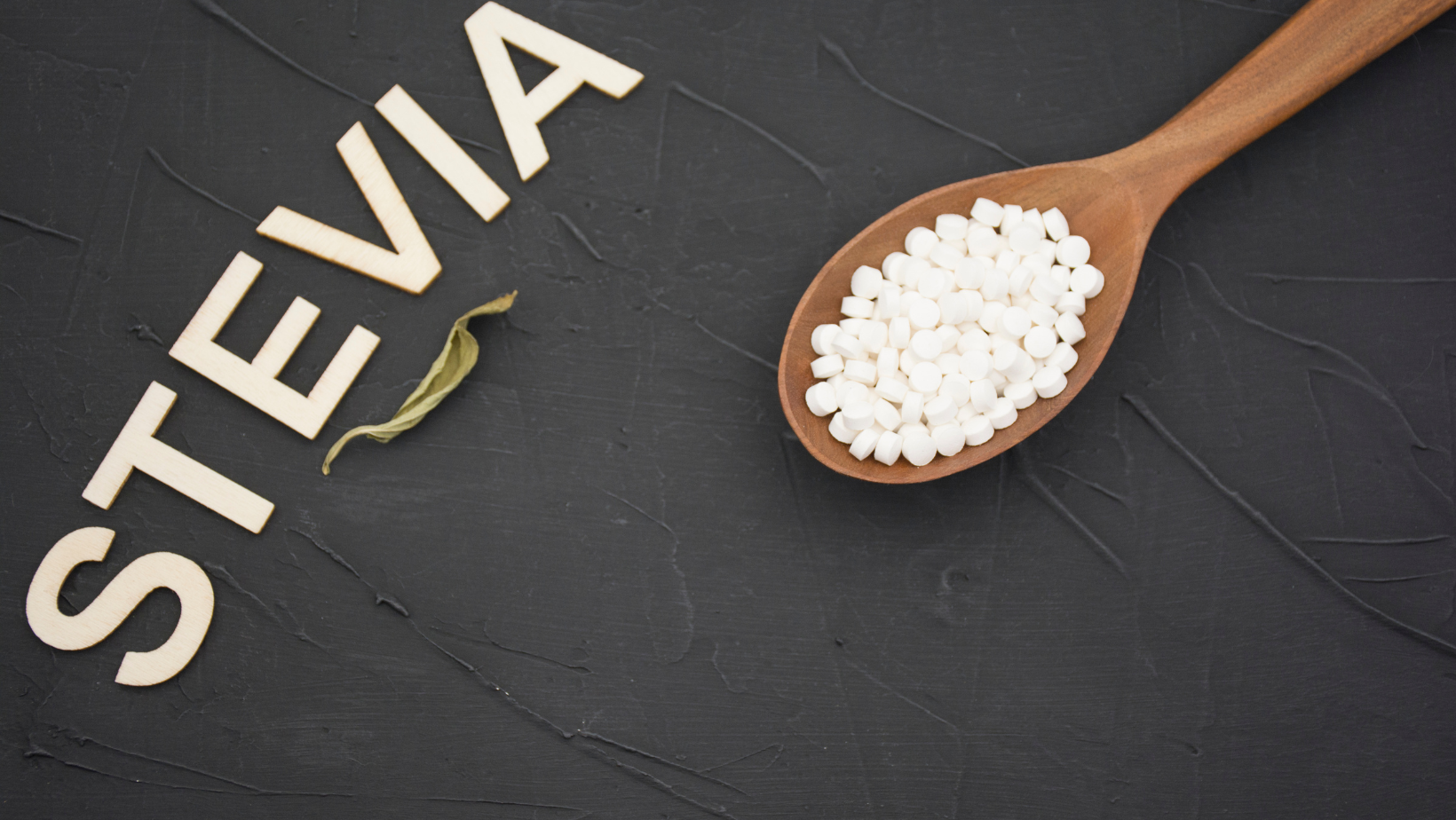
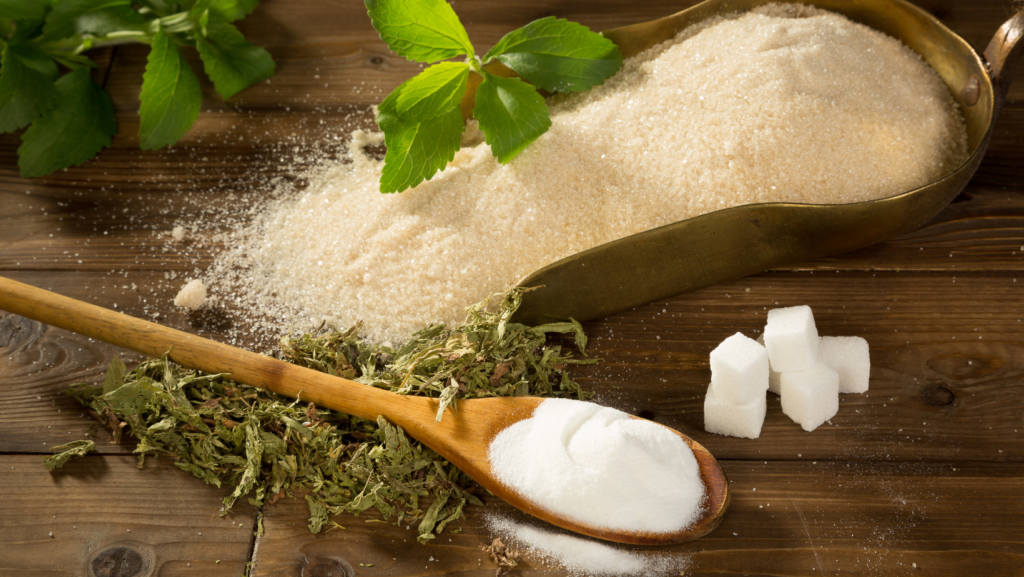
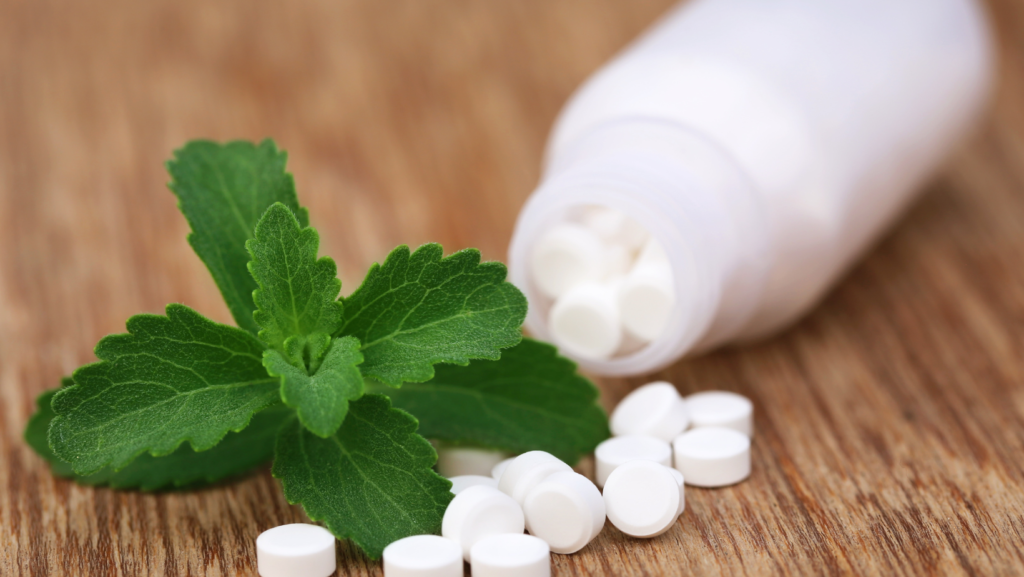
Stevia is a natural sweetener that has surged in popularity in recent years. It is derived from the leaves of the Stevia rebaudiana plant and is up to 300 times sweeter than table sugar. Unlike other artificial sweeteners, stevia is calorie-free and does not raise blood sugar levels. This has made it a popular choice for people with diabetes or other health concerns. There are numerous benefits to using stevia as a sweetener.

In this article, we will look at 10 of these benefits, as well as some of the risks associated with stevia use.

1. Stevia is a Zero Calorie Sweetener

Looking for a calorie-free sweetener? Stevia may be a good option for you. Native to South America, stevia is a plant that has been used as a sweetener for centuries. The leaves of the stevia plant are up to 300 times sweeter than sugar, making it a very concentrated form of sweetness. While stevia sweeteners do not contain any calories, it is important to note that it is still a form of sugar. As such, it can still impact blood sugar levels in people with diabetes. However, overall, stevia is a safe and healthy option for those looking for a calorie-free sweetener.

2. Stevia is a safe alternative to artificial sweeteners

If you’re looking for a safe alternative to artificial sweeteners, stevia may be a good choice for you. Unlike some artificial sweeteners, stevia leaf is not associated with any health risks. In fact, crude stevia has been shown to have numerous health benefits. One study even found that stevia may help to lower blood pressure. While more research is needed in this area, stevia appears to be a safe and healthy sugar alcohol alternative to artificial sweeteners.

3. Stevia can help control blood sugar levels

If you have diabetes or are at risk of developing diabetes, stevia may be a good sweetener for you. That’s because stevia does not raise blood sugar levels. In fact, one study found that stevia may even help to lower blood sugar levels in people with diabetes. While more research is needed in this area, stevia appears to be a safe and healthy option for those looking to control their blood sugar alcohol levels.

4. Stevia can help you lose weight

If you’re looking to lose weight, whole-leaf stevia may be a good option for you. That’s because stevia is calorie-free and does not raise blood sugar levels. This means that it will not cause you to crave sugary foods or snacks. Moreover, one study found that stevia may even help to reduce appetite and promote weight loss. While more research is needed in this area, stevia appears to be a safe and healthy option for those looking to lose weight.

5. Stevia can help you manage your diabetes

If you have diabetes, stevia may be a good sweetener for you. That’s because stevia does not raise blood sugar levels. In fact, one study found that stevia may even help to lower blood sugar levels in people with diabetes. While more research is needed in this area, stevia appears to be a safe and healthy option for those looking to manage their diabetes.

6. Stevia can help reduce high blood pressure

If you have high blood pressure, stevia may be a good sweetener for you. That’s because stevia has been shown to help lower blood pressure. While more research is needed in this area, stevia appears to be a safe and healthy option for those looking to reduce their high blood pressure.

7. Stevia can help improve dental health

If you’re looking to improve your dental health, stevia may be a good sweetener for you. That’s because stevia has been shown to help reduce plaque and bacteria in the mouth. While more research is needed in this area, stevia appears to be a safe and healthy option for those looking to improve their dental health.

8. Stevia can help increase energy levels

If you’re looking for an energy boost, stevia may be a good sweetener for you. That’s because stevia has been shown to help increase energy levels. While more research is needed in this area, stevia appears to be a safe and healthy option for those looking for an energy boost.

9. Stevia can help reduce inflammation

If you’re looking to reduce inflammation, stevia may be a good sweetener for you. That’s because stevia has been shown to help reduce inflammation. While more research is needed in this area, stevia appears to be a safe and healthy option for those looking to reduce inflammation.

10. Stevia can have side effects

While stevia is generally safe and healthy, it can cause some side effects in some people. These side effects include nausea, bloating, and gas. If you experience any of these side effects, please discontinue use and consult a healthcare professional.

Risks Involved with Stevia

1. May Cause Allergic Reactions

Although rare, some people may be allergic to stevia. If you experience any symptoms of an allergic reaction, such as hives, swelling, or difficulty breathing, please discontinue use and consult a healthcare professional.

2. May Interact with Medications

If you are taking any medications, please consult a healthcare professional before using stevia. That’s because stevia may interact with some medications, such as blood thinners and diuretics.

3. May Cause Digestive Problems

Some people may experience digestive problems after consuming stevia. If you experience any digestive problems, such as nausea, bloating, or gas, please discontinue use and consult a healthcare professional.

4. Pregnant and breastfeeding women should avoid stevia

Pregnant and breastfeeding women should avoid stevia. That’s because there is not enough research to know if stevia is safe for pregnant and breastfeeding women. If you are pregnant or breastfeeding, please consult a healthcare professional before using stevia.

5. Children should consume stevia with caution

Children should consume stevia with caution. That’s because there is not enough research to know if stevia is safe for children. If you give your child stevia, please monitor them for any side effects. If your child experiences any side effects, please discontinue use and consult a healthcare professional.

6. People with diabetes should monitor their blood sugar levels

If you have diabetes, you should monitor your blood sugar levels when consuming stevia. That’s because stevia may lower blood sugar levels. If you experience any changes in your blood sugar levels, please consult a healthcare professional.

7. People with high blood pressure should monitor their blood pressure

If you have high blood pressure, you should monitor your blood pressure when consuming stevia. That’s because stevia may lower blood pressure. If you experience any changes in your blood pressure, please consult a healthcare professional.

8. People with kidney disease should avoid stevia

If you have kidney disease, you should avoid stevia. That’s because stevia may worsen kidney function. If you have kidney disease, please consult a healthcare professional before using stevia.

9. People with heart disease should avoid stevia

If you have heart disease, you should avoid stevia. That’s because stevia may worsen heart function. If you have heart disease, please consult a healthcare professional before using stevia.

10. Stevia is not regulated by the FDA

The FDA does not regulate stevia. That’s because stevia is not considered a food additive. However, the FDA has approved some stevia-based products, such as Truvia and PureVia.

Conclusion

Stevia is a safe and healthy alternative to sugar. However, there is some risk involved with its consumption. If you experience any side effects, please discontinue use and consult a healthcare professional. Pregnant and breastfeeding women should avoid stevia. Children should consume stevia with caution. People with diabetes, high blood pressure, kidney disease, or heart disease should consult a healthcare professional before using stevia. Stevia is not regulated by the FDA.

Related Articles

10 Symptoms Of Back Pain

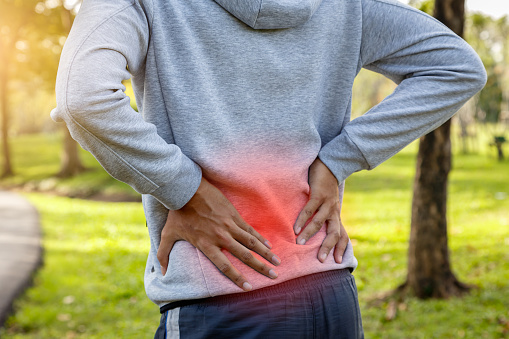
In this blog post, we will discuss 10 symptoms of back pain. Back pain is a common problem that affects millions of people each year. Therefore, if you are experiencing any of these symptoms, please see a doctor right away!

Spinal Cord

symptoms of back pain

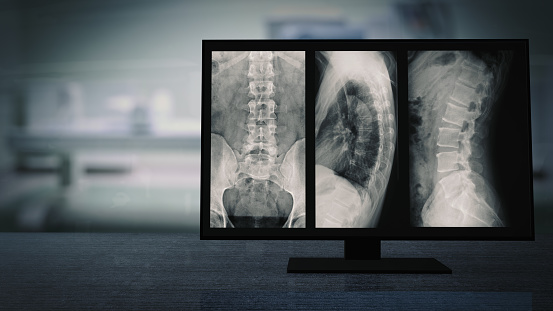
The lumbar spine, or lower back, is a key part of the human skeleton. It helps to support the weight of the upper body and protect the spinal cord. Unfortunately, it is also susceptible to a variety of ailments, including chronic back pain. Degenerative disc disease is a condition that can cause pain in the spine and other parts of the body. The discs in the spine are cushioning pads that act as shock absorbers. They help to keep the spine flexible and protect the spinal cord. With degenerative disc disease, the discs break down and become less able to cushion the spine and absorb shocks. This can lead to pain, stiffness, and other problems.

Degenerative disc disease is often caused by aging. As we age, the discs in our spine begin to wear out. This process is called degeneration. Degeneration of the discs can also be caused by injury or other conditions that put stress on the spine. degenerative disc disease is more common in people who have certain risk factors, such as a family history of the condition, obesity, smoking, or a job that requires repetitive lifting or twisting movements.

There is no cure for degenerative disc disease, but there are treatments that can help relieve pain and improve quality of life. Mild cases of degenerative disc disease can often be managed with over-the-counter pain relievers and physical therapy. More severe cases may require prescription pain medications or surgery. 

Chronic Back Pain

symptoms of back pain

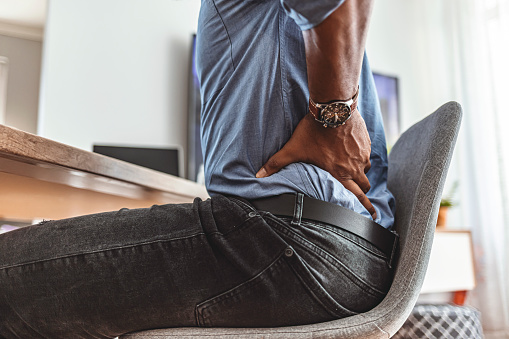
Back pain is a common health problem that can have a major impact on quality of life. There are many different causes of back pain, and it can vary from mild to severe. Symptoms can include a dull ache, sharp pain, muscle spasms, and difficulty moving. While back pain is often caused by musculoskeletal and skin diseases, it can also be the result of neurological disorders or kidney stones. There are many risk factors for back pain, including obesity, poor posture, and a sedentary lifestyle. Physical therapy is often recommended as the first line of treatment for back pain and muscle tension. However, if the pain is severe or chronic, neurological surgeons may be necessary. Muscle relaxants may be recommended by neurological surgeons to help patients manage their pain after surgery. Pain relief options include pain relievers, physical therapy, and massage. In some cases, surgery may be necessary to relieve the pain.

10 Symptoms Of Back Pain

There are many risk factors for back pain, including obesity, poor posture, and a sedentary lifestyle. Physical therapy, exercises, and healthy weight management are often recommended as treatments for back pain. In some cases, surgery may be necessary to correct underlying issues such as degenerative disc disease or spinal stenosis. The symptoms of back pain include:

1. Persistent pain: 

If you’re experiencing back pain that lingers for more than two weeks, it’s time to see a healthcare professional. This is especially true if it is an intense pain that radiates down your leg or if you have weakness or numbness in your legs.

2. Degenerative disc disease: 

This condition is a common cause of low back pain, especially in older adults. The discs in your spine act as cushions between the vertebrae, and as they degenerate, they can lead to pain and stiffness.

3. Stomach muscles: 

Weak stomach muscles can lead to pain in the lower back and hips. Strengthening these muscles can help reduce pain and improve your posture.

4. Leg pain: 

This is often a symptom of a herniated disc or spinal stenosis. This is often caused by sciatic nerve compression, and it can be very painful. If the pain is severe, you may need to see a neurological surgeon.

5. Localized pain in the low back: 

This is the most common type of low back pain, and it can be induced by a variety of things, encompassing poor posture, muscle strain, and herniated discs.

6. Weakness or numbness in the legs: 

This can be caused by nerve compression or damage, and it can make it difficult to walk or stand.

7. Difficulty urinating or having bowel movements:

This can be a sign of spinal cord compression, and it requires immediate medical attention.

8. Muscle Spasms: 

Muscle spasms are involuntary contractions of the muscles in your back. They can be extremely painful and often lead to chronic low back pain. Spasms are often caused by poor posture, heavy lifting, repetitive motions, or overexertion.

9. Loss of bladder or bowel control:

This is a serious symptom that requires immediate medical attention as it can be indicative of a Thoracic spine injury.

10. Pain that gets worse with sitting or standing:

This is often caused by inflammation of the spinal joints (spondylitis) or muscle strain.

There are a variety of symptoms that can accompany back pain. These can include a dull ache, sharp pain, muscle spasms, and even weight loss. In some cases, the pain may be worse when you move your upper body or when you try to relieve pain with over-the-counter medication. If you experience any of these symptoms, it’s important to see your doctor so they can determine the cause of your pain and recommend the best course of treatment.

Does Physical Therapy Cure Severe Pain?

symptoms of back pain

Back pain is one of the most common reasons people visit the doctor. According to the National Institute of Neurological Disorders and Stroke, over 80 percent of adults experience chronic low back pain at some point in their lives.  Ankylosing spondylitis is a type of arthritis that affects the spine. People with ankylosing spondylitis typically experience chronic back pain and stiffness. The pain is often worse in the morning and improves with activity throughout the day. 

Conclusion 

Unexplained weight loss is not the only symptom that can indicate a serious underlying cause of health or medical conditions. Acute back pain is another common symptom that can have many different causes. For example, severe back pain might be caused by musculoskeletal and skin diseases, like degenerative disc disease or spinal stenosis. It could also be caused by kidney stones or a herniated disc. In some cases, back pain can be a sign of more serious conditions, like broken bones or cancer. If you are experiencing back pain symptoms or a dull ache, it is important to see your doctor so that the cause can be determined and you can get the appropriate treatment. 

10 Home Remedies For Gall Stones

In this blog post, you will learn about 10 home remedies for gallstones. The main gallbladder function is to store bile, a digestive fluid produced by your liver. The common bile duct helps you digest fats in the small intestine. If the gallbladder can’t function properly, gallstone formation occurs and gallstone symptoms like severe abdominal pain, nausea, and vomiting become visible.

Gallbladder Disease

remedies for gallstones

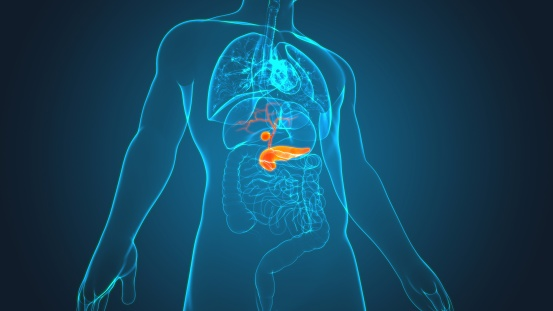
The gallbladder is a tiny organ that reserves bile, a digestive fluid that enables the body cut down fat. Gallstones are a common condition that affects people of all ages. They are usually small, hard stones that form in the gallbladder or bile ducts and can cause severe pain and other symptoms. There are two types of gallstones: cholesterol gallstones and pigment gallstones. Cholesterol stones are made up of cholesterol and bile acids, while pigment stones are made up of bilirubin, a substance that is produced when red blood cells break down. 

Symptomatic gallstones usually cause severe pain in the upper right abdomen. This pain, known as biliary colic, typically comes on suddenly and can last for up to a week. Another condition known as cholecystitis results when the gallbladder becomes inflamed. Cholecystitis patients or patients who have recurrent episodes of cholecystitis are usually recommended for cholecystectomy (gallbladder removal surgery).

Although most people with gallstones do not experience symptoms, some people may develop severe pain in the abdomen, known as a “gallstone attack.” In addition, people with gallstones may also experience nausea, vomiting, and jaundice (yellowing of the skin). Gallstones are often treated with surgery to remove the gallbladder (cholecystectomy). However, several medical treatments can be used to dissolve or break up the stones. These include oral contraceptive pills, fatty meal suppression, ursodeoxycholic acid, and very low-calorie diets. In addition, several home remedies may help to prevent or treat gallstones, such as milk thistle and fruit juice.

Bile Duct

remedies for gallstones

Common bile duct stones, also called gallstones, are small masses of cholesterol stones or bilirubin that form in the bile duct. Kidney stones are a common condition that can cause severe pain and other symptoms. About 1 percent of people with gallstones develop inflammation of the gallbladder (cholecystitis), which can cause fever, vomiting, and severe abdominal pain that requires hospitalization. Other risk factors for developing gallstones include obesity, rapid weight loss, and certain medical conditions such as diabetes, liver disease, or certain digestive and kidney diseases. Treatment for gallstones typically involves either a gallbladder removal surgery called laparoscopic cholecystectomy surgery or a commercial weight loss program. However, several home remedies may help to relieve symptoms, prevent gallstone attacks and even cure gallstones. For example, drinking plenty of fluids, especially fruit juice, helps to increase bile flow and reduce the risk of stone formation. 

Avoiding fatty foods and managing cholesterol levels can also help prevent gallstones. Finally, regular exercise and maintaining a healthy weight are important for overall wellness and may help to reduce the risk of gallstone formation.

Cholesterol Gallstones 

Cholesterol management is important for preventing gallstones. Cholesterol gallstones are usually small and hard, but they can cause severe pain if they block the bile ducts. The pain typically comes on suddenly and subsides after a few hours. Treatment options include dietary changes, medications, and surgery.  In addition, endoscopic retrograde cholangiopancreatography (ERCP) can be used to remove stones that are blocking the bile ducts, and preventive measures such as cholesterol management and avoiding fatty foods can help to reduce the risk of developing gallstones in the first place.

Some small studies have found that commercial weight-loss programs may help to prevent gallstone formation by promoting weight loss and reducing abdominal fat. These programs usually involve very-low-calorie diets (VLCDs) and health supervision by wellness professionals. In most cases, surgery is the best option. The gallbladder is removed through open surgery or laparoscopic surgery. Recovery typically takes up to a week. 

There are some risks associated with surgery, but the health benefits far outweigh the risks. Knowing how to prevent gallstones is also important. This can be done by eating a healthy diet, fruit, and vegetable consumption, maintaining a healthy weight, and avoiding fatty foods. If you think you may have gallstones, it’s important to see a health care provider for a correct diagnosis. With so many options available, it is important to work with a qualified healthcare professional to find the best treatment plan for you. 

10 Home Remedies For Gallstones

remedies for gallstones

1. Apple Cider Vinegar:

Studies have shown that apple cider vinegar helps to dissolve gallstones. It’s thought that the acetic acid in apple cider vinegar helps dissolve cholesterol stones and promotes bile flow through smooth bile production. It helps relieve symptoms.

2. Bile Salts:

Bile salts are a natural remedy that can help to dissolve cholesterol stones and cure gallstones. 

3. Pigment Gallstones:

Pigment gallstones are made of bilirubin, which is a byproduct of red blood cells. These stones are more likely to occur in people with liver disease or certain digestive and kidney diseases. Treatment usually involves surgical removal of the gallbladder. 

4. Cholesterol Gallstones:

Cholesterol gallstones are the most common type of gallstone. Treatment involves making lifestyle changes and, in some cases, surgical removal of the gallbladder. 

5. Peppermint Tea:

Peppermint tea is another herbal tea that helps treat gallstones.

6. Oral Contraceptive Pills:

This remedy is not recommended for women who are already at risk for cardiovascular disease or other serious health conditions.

7. Chamomile Tea:

Chamomile tea can help relax the smooth muscles of the digestive tract and small intestine.

8. Olive Oil: 

Drinking olive oil helps the gallbladder cleanse itself by getting rid of bile acids and obstruction in the bile ducts. 

9. Choleretics: 

Choleretics are drugs that help to increase bile flow.

10. Grapefruit Juice:

Grapefruit juice is rich in vitamin C, which helps to promote the production of bile acids.

Conclusion 

Gallstones can cause severe pain and other symptoms. In most cases, the pain subsides after a few hours or up to a week. Treatment for gallstones typically involves surgical removal of the gallbladder (laparoscopic cholecystectomy). Laparoscopic surgery is a minimally invasive procedure. Laparoscopic surgery is often preferred over open surgery because it is less painful and has a shorter recovery time. In some cases, gallstones can be treated with a commercial weight loss program or very-low-calorie diets. These methods may dissolve the stones or help to prevent new stones from forming. However, they are not always effective and may have side effects. If you have gallstones, talk to your doctor about the best treatment option for you. However, some natural remedies may help to prevent or treat gallstones. Apple cider vinegar, for example, is thought to help dissolve cholesterol stones. The bile salts in apple cider vinegar may also help to prevent the formation of new gallstones. Another natural remedy for gallstones is a very low-calorie diet (VLCD). This type of diet can help to shrink the gallbladder and dissolve cholesterol stones. If you are considering any natural remedy for gallstones, be sure to talk to your doctor first.